What Are the Most Common Sewer Pipe Materials?
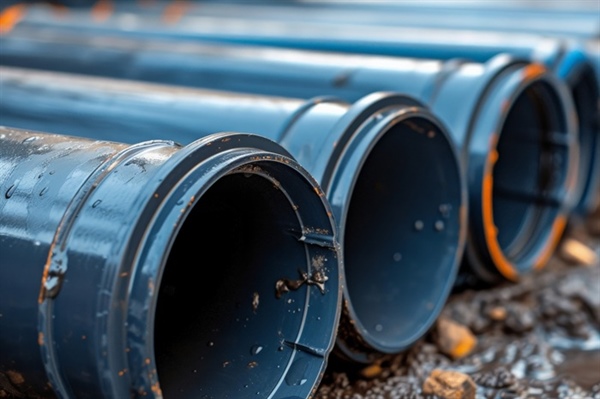
Understanding what sewer pipes are made from matters more than most property owners realize. Sewer systems rely on materials that must withstand constant moisture, soil pressure, shifting ground, and decades of chemical exposure. Over the past century, communities have installed sewer lines using everything from clay and cast iron to modern plastics and composite materials. Each material comes with strengths, weaknesses, and different trenchless repair possibilities.
In this guide from Advanced Trenchless Solutions, we will explain how the most common sewer pipe materials respond to trenchless technologies such as lining and bursting. We will address key questions including whether older materials like clay and concrete can be renewed, how plastic systems perform under lining, what limitations exist for fragile pipes, how soil conditions affect trenchless work, and what new replacement materials are becoming industry standards. If you’ve ever wondered how today’s sewer repairs are adapted to different pipe types, the sections below will provide detailed answers.
Can Clay, Cast Iron, and Concrete Pipes Be Lined or Burst?
Yes, clay, cast iron, and concrete sewer pipes can often be rehabilitated using trenchless lining or pipe bursting, but the feasibility depends heavily on structural condition. Clay pipes, widely installed in older neighborhoods, are prone to cracking at joints and root intrusion. Trenchless lining methods such as cured-in-place pipe (CIPP) are frequently used because the liner forms a new corrosion-resistant interior wall while leaving the original pipe in place.
Cast iron pipes, common in mid-20th century construction, can also be lined successfully when corrosion has not caused complete collapse. Lining is particularly effective because it prevents further rusting and seals leaks without excavation. Concrete pipes, often used in municipal mains, are also candidates for lining, especially when surface deterioration or infiltration is present but the pipe retains its overall shape.
Pipe bursting is another option for these materials, particularly when the pipe is too damaged for lining. Bursting fractures the existing pipe outward while pulling a new pipe through the same path. This approach is widely applied in clay and cast iron replacements, and it is also possible with concrete under the right conditions. Modern trenchless crews often recommend sewer bursting when upsizing capacity or replacing severely compromised lines.
How Does Trenchless Lining Perform on PVC or Plastic Sewer Pipes?
PVC and other plastic sewer pipes generally perform very well with trenchless lining, though they often require different preparation compared with older rigid materials. PVC is smooth, corrosion-resistant, and flexible, which already gives it a long service life. Lining is typically applied when joints have shifted, connections leak, or damage has occurred due to settlement or improper installation.
Trenchless lining inside plastic pipes creates a seamless interior barrier that restores hydraulic efficiency while sealing defects. Because PVC does not corrode like metal, the liner’s main role is structural reinforcement and leak prevention rather than stopping chemical decay. Adhesion and curing processes are carefully controlled to ensure compatibility with plastic surfaces.
In practice, lining plastic systems is often chosen over excavation because it avoids disturbing landscaping or pavement while restoring performance. For property owners dealing with aging PVC laterals, trenchless rehabilitation remains one of the most efficient methods available.
What Are the Limitations of Trenchless Methods for Fragile Pipe Types?
Trenchless technology is highly effective, but fragile pipe types present limitations. Pipes that have collapsed, severely deformed, or lost their round shape may not be suitable for lining because liners require a stable host pipe to form correctly. For example, heavily fractured clay or Orangeburg (fiber conduit) often cannot support lining installation.
Pipe bursting also has constraints. If a pipe is extremely brittle and surrounded by sensitive infrastructure, uncontrolled fragmentation can pose risks. Bursting requires sufficient surrounding soil displacement space, and in fragile materials the break pattern can become unpredictable. Technicians must evaluate proximity to other utilities and building foundations before proceeding.
In these cases, trenchless crews rely on detailed camera inspections and engineering judgment. The best approach depends on whether the pipe still provides a usable pathway for rehabilitation or whether full replacement is unavoidable.
How Do Technicians Adapt Trenchless Techniques to Different Soil Conditions?
Soil conditions play a major role in trenchless sewer rehabilitation. Sandy soils, for example, can shift easily, requiring careful stabilization during bursting or lining access excavation. Clay-heavy soils expand and contract with moisture changes, which can increase stress on buried pipes and affect long-term performance.
Technicians adapt by selecting the correct bursting head size, controlling pulling forces, and adjusting resin curing methods during lining. In rocky or densely compacted soils, bursting may require higher energy and more robust equipment to fracture the existing pipe without misalignment.
Professional trenchless contractors also account for groundwater levels. High groundwater may require specialized liners and curing processes to prevent infiltration during installation. These adaptations ensure trenchless repairs remain reliable across varying site conditions.
What Emerging Materials Are Becoming Standard in Trenchless Replacements?
Emerging trenchless replacement materials are increasingly focused on durability, corrosion resistance, and long-term structural performance. High-density polyethylene (HDPE) has become a leading standard for pipe bursting replacements because it is flexible, jointless, and resistant to chemical attack.
Another growing category is fiberglass-reinforced pipe systems, which offer high strength-to-weight ratios and excellent resistance to corrosion. Composite liners and advanced resin technologies are also improving the structural capabilities of CIPP applications, allowing rehabilitation of pipes that previously required excavation.
Advanced Trenchless Solutions continues to work with modern replacement standards that align with industry advancements.
How Advanced Trenchless Solutions Supports Modern Sewer Pipe Rehabilitation
Advanced Trenchless Solutions provides expert trenchless sewer repair and replacement services tailored to a wide range of pipe materials, from aging clay and cast iron to modern PVC and HDPE systems. With proven methods such as pipe lining and pipe bursting, the company helps restore sewer infrastructure while minimizing surface disruption.
If you are facing questions about pipe material compatibility, fragile line limitations, soil challenges, or modern replacement standards, the team can provide professional evaluation and trenchless solutions designed for long-term reliability.
Contact Advanced Trenchless Solutions at 844.513.4106 or visit their office at 1138 6th Street South, Wisconsin Rapids, WI 54494. To connect directly, use their contact us page.