What Problems Can Trenchless Sewer Repair Solve That Traditional Excavation Cannot?
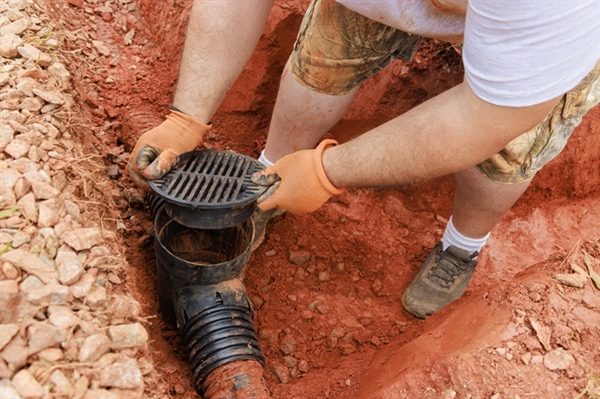
Homeowners and commercial property owners often assume major sewer pipe damage automatically means excavation, torn-up landscaping, broken concrete, and days of disruption. Modern trenchless sewer repair methods have changed that assumption. Many underground pipe problems can now be repaired from small access points without removing driveways, sidewalks, patios, mature trees, or large sections of a yard. Trenchless technology was developed to solve problems that traditional excavation struggles to address efficiently, especially in areas with limited access or expensive surface restoration requirements. Advanced Trenchless Solutions uses advanced inspection equipment and trenchless rehabilitation methods to identify underground pipe failures with greater accuracy while minimizing unnecessary disruption.
Trenchless sewer repair methods are commonly used to address cracked pipes, leaking joints, root intrusion, corrosion, offset pipe sections, and aging sewer systems that would otherwise require extensive digging. These systems can also reduce repair time and preserve existing landscaping and structures that would normally be damaged during excavation. In the sections below, we will examine what pipe damage types work best with trenchless repair, whether severely damaged pipes can still be rehabilitated, how trenchless methods address root intrusion, the limitations associated with traditional excavation, and situations where trenchless solutions may not be the right fit. Many modern rehabilitation systems, including trenchless pipe lining, are designed to restore structural integrity while extending the lifespan of existing sewer infrastructure.
Pipe Damage Types Best Suited for Trenchless Sewer Repair
Trenchless sewer repair is particularly effective for pipes experiencing cracks, minor fractures, corrosion, pinhole leaks, separated joints, scaling, and moderate structural deterioration. Aging cast iron, clay, Orangeburg, and PVC sewer lines frequently develop these conditions over time due to soil movement, groundwater infiltration, temperature changes, and long-term wear. Instead of removing and replacing the entire pipeline through excavation, trenchless rehabilitation methods can restore the interior structure while keeping most of the original pipe in place.
Cured-in-place pipe lining systems are commonly used when the existing pipe still maintains enough structural shape to support rehabilitation. During this process, technicians insert a resin-saturated liner into the damaged sewer line and cure it in place to create a new pipe within the existing one. This method seals cracks, eliminates leaking joints, and restores flow efficiency without disturbing large surface areas. Pipes affected by corrosion or internal scaling can also benefit from trenchless rehabilitation after cleaning and descaling procedures remove debris and buildup from the interior walls.
One of the most significant advantages of trenchless rehabilitation is its ability to repair underground sewer systems located beneath driveways, garages, finished basements, landscaping, parking lots, and public infrastructure. Traditional excavation often requires demolition and costly surface restoration before the actual pipe repair can even begin. Central Wisconsin property owners frequently choose trenchless pipe lining because it can restore sewer functionality while reducing property disruption and shortening project timelines. Sewer camera inspections are typically used before rehabilitation to confirm pipe conditions and determine whether trenchless methods are structurally appropriate.
Can Trenchless Sewer Repair Fix Collapsed or Severely Damaged Pipes?
Trenchless repair can address some severely damaged sewer lines, but the success of the repair depends on the extent of the collapse and the overall condition of the existing pipe. Pipes with partial collapses, significant cracking, deformation, or isolated structural failures may still qualify for trenchless rehabilitation if technicians can restore access through cleaning or pipe bursting procedures. Pipe bursting is one trenchless method specifically designed to replace severely deteriorated pipes by fracturing the old pipe outward while simultaneously pulling a new pipe into place.
Complete collapses can present challenges for certain trenchless lining systems because liners require a continuous pathway for insertion and curing. If the pipe has lost structural continuity or contains severe offsets that block equipment movement, excavation may still be necessary to restore access to the damaged section. In many situations, however, a combination of limited excavation and trenchless rehabilitation can significantly reduce the amount of digging required compared to full pipe replacement.
Severely damaged sewer lines are often discovered after recurring backups, slow drains, sinkholes, or sewage odors indicate long-term underground deterioration. Advanced inspection equipment plays a critical role in determining whether trenchless rehabilitation is feasible. High-resolution sewer cameras can identify collapsed sections, root masses, pipe separations, and material failures with precision before repair recommendations are made. Structural analysis of the existing line helps determine whether rehabilitation, pipe bursting, sectional repair, or selective excavation will provide the safest and most durable long-term solution.
How Trenchless Sewer Repair Handles Root Intrusion in Sewer Lines
Root intrusion is one of the most common causes of sewer line failure in residential and commercial plumbing systems. Tree roots naturally seek moisture and nutrient sources underground, making sewer joints and small pipe cracks highly attractive entry points. Clay and older cast iron sewer pipes are especially vulnerable because aging joints and corrosion create openings that allow roots to penetrate the line. Once inside, roots continue expanding and trap debris, grease, and waste material that restrict wastewater flow.
Trenchless repair methods typically begin by mechanically removing root masses through hydro jetting, chain descaling, or specialized cutting equipment. Hydro jetting uses high-pressure water streams to remove roots, grease, mineral buildup, and sludge from the pipe interior while restoring flow capacity. After the line is cleaned, sewer camera inspections evaluate whether root intrusion caused cracks, fractures, or joint separations that require rehabilitation.
Once the damaged areas are identified, cured-in-place pipe lining can create a continuous, joint-free interior barrier that blocks future root intrusion. Traditional sewer systems often fail at joints where roots repeatedly penetrate the line over time. By creating a seamless internal pipe surface, trenchless rehabilitation removes the openings roots depend on to re-enter the sewer system. In Wisconsin Rapids and surrounding Central Wisconsin communities, aging sewer systems and mature tree growth make root intrusion a recurring issue for many properties. Long-term rehabilitation strategies focus not only on clearing roots but also on eliminating the structural vulnerabilities that allow recurring intrusion to occur.
Limitations of Traditional Digging Compared to Trenchless Sewer Methods
Traditional sewer excavation can successfully replace damaged pipelines, but it often introduces significant disruption that extends beyond the pipe repair itself. Excavation usually requires trenching through lawns, driveways, sidewalks, retaining walls, landscaping, parking lots, and finished surfaces to access underground sewer lines. Surface restoration costs can become one of the largest portions of the overall project, especially for properties with decorative hardscaping or limited access areas.
Excavation also presents logistical challenges in densely developed residential and commercial environments. Sewer lines installed beneath buildings, garages, roadways, or mature trees may require demolition or removal of surrounding structures before repairs can begin. This process can increase labor requirements, equipment usage, project duration, and restoration complexity. Weather conditions can also impact excavation projects by creating unstable soil conditions, delaying trench work, or complicating groundwater management.
Trenchless methods reduce many of these limitations by minimizing surface disruption and decreasing the amount of open trenching required. Instead of exposing the entire pipeline, trenchless rehabilitation generally relies on existing cleanouts or small access points to complete repairs underground. This approach helps preserve landscaping, concrete, asphalt, and surrounding infrastructure while reducing restoration timelines. Sewer camera diagnostics also improve repair precision because technicians can isolate damaged areas without unnecessary exploratory digging. The ability to rehabilitate pipes beneath structures, roads, and finished property surfaces is one reason trenchless technology continues gaining widespread adoption across residential, municipal, and commercial sewer systems.
When Trenchless Sewer Repair Is Not the Right Solution
Although trenchless sewer repair can solve many underground pipe problems, it is not appropriate for every situation. Pipes that have completely collapsed across long sections, suffered extensive structural deformation, or lost significant alignment may require excavation and full replacement. Some sewer systems are too deteriorated to support trenchless rehabilitation safely, particularly when pipe materials have disintegrated or severe bellies prevent proper drainage flow.
Improper pipe slope can also limit trenchless repair effectiveness. If a sewer line was originally installed with inadequate grading or has shifted substantially due to soil settlement, lining the existing pipe may preserve the same drainage problems rather than correct them. In these situations, excavation may be necessary to re-establish proper pipe alignment and slope. Severe offset joints, inaccessible pipe sections, and major obstructions can also prevent trenchless equipment from moving effectively through the line.
Professional sewer camera inspections remain essential for determining whether trenchless rehabilitation is structurally appropriate. Accurate diagnostics allow technicians to evaluate pipe material, structural integrity, accessibility, groundwater conditions, and overall repair feasibility before recommending a solution. Property owners researching trenchless rehabilitation methods can learn more about available sewer rehabilitation services by contacting Advanced Trenchless Solutions for additional information regarding pipe inspections, sewer diagnostics, and trenchless repair technologies.
Advanced Trenchless Solutions Sewer Repair Services
At Advanced Trenchless Solutions, we provide trenchless sewer rehabilitation services designed to address underground pipe failures while minimizing disruption to your property. Our team uses sewer camera inspections, hydro jetting, pipe descaling, cured-in-place pipe lining, and advanced trenchless repair technologies to diagnose and restore damaged sewer systems throughout Central Wisconsin. We work with residential and commercial property owners dealing with root intrusion, cracked sewer lines, corrosion, backups, deteriorating pipe joints, and aging underground infrastructure.
As a division of Steve’s Plumbing & Heating, our team combines generations of plumbing experience with modern trenchless rehabilitation equipment to identify the most effective long-term repair strategy for each property. We focus on accurate diagnostics and efficient repair methods that help reduce unnecessary excavation whenever possible. Whether a sewer line requires cleaning, rehabilitation, sectional repair, or selective replacement, our goal is to restore safe and reliable wastewater flow while protecting surrounding landscaping, driveways, and structures.
If you are experiencing recurring sewer backups, slow drainage, root intrusion, or suspected underground pipe damage, contact Advanced Trenchless Solutions to schedule a sewer inspection. Our team serves property owners throughout Central Wisconsin from our location at 1138 6th Street South, Wisconsin Rapids, WI 54494. Call 844.513.4106 or contact us to learn more about trenchless sewer repair and rehabilitation options for your property.