What Homeowners Should Expect During a Pipe Bursting Project
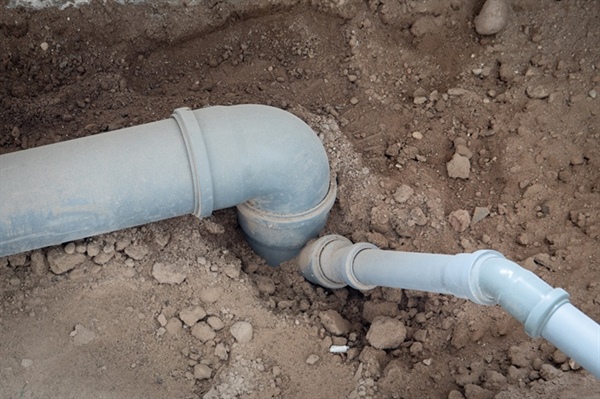
When a buried sewer line fails, many homeowners picture an open trench across the yard and days of mess. Pipe bursting is designed to avoid that kind of excavation by replacing the old pipe underground through a controlled pull, but the project still has a real “jobsite” feel: inspections, locating utilities, setting up access points, running equipment, and verifying the new line before everything is restored. Advanced Trenchless Solutions often describes this contrast with the classic neighborhood trench scene—same goal (a working pipe), very different footprint. Learn the basics of pipe bursting so you can walk into the process knowing what’s normal and what to ask about.
Below, we’ll cover what homeowners typically experience at each stage: pre-project inspections and site prep, what installation day looks like step by step, what noise and vibration feel like during the pull, how long a residential project usually takes, and what post-installation inspection and testing should confirm before the system is put back into full service.
Pre-Project Pipe Bursting Inspections and Site Preparation
Pipe bursting starts with confirming that replacement (not lining) is the right technical choice for your specific pipe. A standard first step is a camera inspection of the existing line to document pipe material, inside diameter, collapse points, offset joints, root intrusion, and any sections that are already deformed or obstructed. That inspection is not just “finding a clog”; it produces measurements and observations that determine equipment selection, bursting head sizing, and whether the line is continuous enough to serve as a guide path for the pull.
Site preparation is mostly about access and risk control. Pipe bursting typically needs at least two excavations: an entry pit and an exit (or receiving) pit aligned with the pipe run. Technicians also identify and mark other buried utilities (gas, electric, communications, water) and verify depths and separations, because the bursting head expands the old pipe outward as it fractures it. Preparatory steps often include confirming cleanout locations, planning any temporary bypass pumping if the building must keep draining during work, and coordinating shutoffs if the line must be taken out of service during the pull.
Material selection and staging are part of prep, too. The replacement pipe is commonly high-density polyethylene (HDPE) because it can be fused into a continuous, jointless length and pulled through in one piece; fittings and transition couplers are chosen based on what the new pipe must connect to (for example, cast iron, clay, PVC, or concrete at each end). In Wisconsin Rapids, Advanced Trenchless Solutions typically emphasizes beginning with a detailed camera inspection and quote so the crew can match the method, tooling, and pipe specifications to the actual conditions found in the line.
Pipe Bursting Installation Day: Step-by-Step What to Expect
Installation day usually begins with safety setup and confirmation checks. Crews will protect work areas, verify utility markings, and excavate or open the planned pits to reach the existing line. If the project requires maintaining drainage, a bypass line and pump may be set up so wastewater can be routed around the work zone; if not, you may be asked to limit or pause water use during key parts of the replacement.
Next comes establishing the pull path. A pulling cable or rod is run through the old line from one pit to the other. The bursting head is attached to that pull line, and the new fused pipe is connected directly behind the head. In many setups, a hydraulic pulling unit (or winch) provides the controlled force that draws the bursting head through the old pipe. As the head advances, it fractures and displaces the old pipe outward while simultaneously towing the new pipe into the void created along the original alignment.
After the pull, crews complete reconnections and restoration steps. That can include tying the new line into existing building plumbing and the downstream connection, installing cleanouts if planned, and addressing grade and bedding in the pits before backfill and surface restoration. If you want to understand what your crew will do on your property and what you need to do inside the home before work begins, it can help to schedule an inspection so the planned sequence matches your plumbing layout, access points, and usage needs.
Noise, Vibration, and Disruption During Pipe Bursting
Pipe bursting uses mechanical pulling force, so noise and vibration are normal, but they are usually localized to the pits and the pulling equipment. Typical sound sources include the hydraulic power pack, winch or pulling unit, generators (if needed), and excavation equipment. During the pull itself, you may notice intermittent vibration in the ground near the pipe alignment because the bursting head is breaking the host pipe and displacing fragments into surrounding soil.
What you experience depends heavily on depth, soil type, pipe material, and the length of the run. Shallow lines in compact soils can transmit more vibration than deeper lines in looser soils. Brittle pipes (like clay) fracture differently than ductile materials, which can change the “feel” of the pull. Crews manage this by controlling pull speed and force and by choosing an appropriately sized bursting head so expansion is engineered rather than improvised.
Disruption is often more about access and water use than about the equipment. Expect limited access to the immediate work areas, temporary fencing or cones, and potential restrictions on driving over the alignment if the line is shallow and the yard is soft. You may also be asked to avoid heavy water discharge during specific windows so the line can be replaced and reconnected safely without unexpected flow.
Residential Pipe Bursting Timelines: How Long Each Phase Takes
Timelines vary because they are driven by real, measurable factors: pipe length and diameter, depth, number of bends, soil conditions, number of service connections, and whether bypass pumping is required. Even so, residential projects commonly break into predictable phases: inspection and planning, access pit preparation, the bursting pull and pipe placement, reconnection, and verification/testing followed by backfill and restoration.
The bursting pull itself is usually the shortest part of the day compared with excavation, setup, and tie-ins. A long run can still be placed in a controlled pull, but time increases when the crew must manage multiple bends, replace sections with poor access, or handle complex reconnections (for example, when a building has multiple branch lines that must be reconnected to the new main). Permitting, scheduling, and utility locating can also add lead time before any digging starts.
Restoration time depends on what surfaces are disturbed. Two pits in turf may be restored quickly, while work that impacts landscaping, irrigation lines, walkways, or drive edges can take longer to return to pre-project condition. A clear schedule should identify when the line will be out of service, when testing occurs, and what “restored” means for your specific property (soil compaction, topsoil, seed/sod timing, and any hardscape repairs).
Post-Installation Inspections and System Testing After Pipe Bursting
After the new pipe is in place and connected, verification should confirm both structural integrity and functional performance. A common standard is a post-installation camera inspection of the new line to document alignment, interior condition, and connection quality at transitions. This creates a visual record that the replacement pipe is continuous and free of obstructions, and it helps confirm that tie-ins are properly sealed.
Testing methods vary by jurisdiction and by pipe type, but the goal is consistent: demonstrate the system is leak-tight and flows correctly. Depending on the project, crews may perform pressure testing on the new section, low-pressure air testing, or other acceptance tests required by local code or project specifications. Functional testing also includes running water through fixtures to confirm expected drainage behavior and verifying cleanouts, traps, and vents are working as intended after reconnection.
Before the job is considered complete, you should know what documentation you’ll receive (camera footage/stills, test results, as-built notes on pipe size and material) and what warranty terms apply to parts and labor. If you need copies of inspection records or want to coordinate any follow-up questions about testing and documentation, reach out to Advanced Trenchless Solutions so the project file reflects the final verified condition of the line.
How Advanced Trenchless Solutions Supports Pipe Bursting Projects
If you’re weighing a pipe bursting replacement or trying to understand what your property will go through, Advanced Trenchless Solutions focuses on trenchless sewer rehabilitation and replacement methods that reduce excavation compared with traditional dig-and-replace. Their process commonly starts with camera inspection findings to confirm what’s happening inside the line, then maps those findings to a job plan that covers access points, equipment setup, and the verification steps used after installation.
Homeowners often want practical clarity: what the crew needs access to, whether the line will be out of service, what noise and vibration will feel like, and what testing proves the new system is working. A good plan should address each of the subtopics above—site prep, installation day sequencing, disruption expectations, timeline drivers, and post-installation testing—using the actual measurements and conditions found in the line.
To talk through your specific situation or set up an inspection, use the contact us page. You can also call 844-513-4106. Advanced Trenchless Solutions is located at 1138 6th Street South, Wisconsin Rapids, WI 54494.