What Happens During a Trenchless Sewer Inspection and Diagnosis?
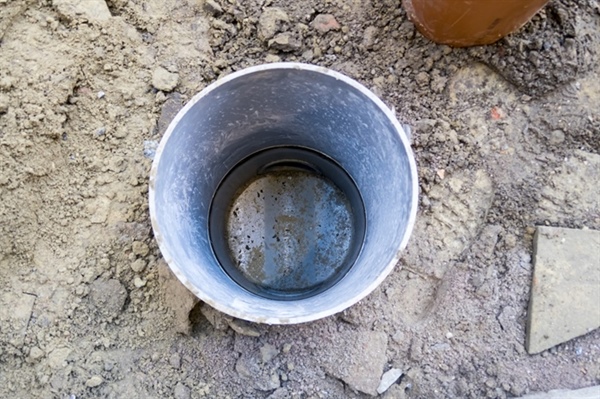
Modern trenchless sewer inspections give property owners a way to evaluate underground pipelines without tearing through landscaping, driveways, flooring, or foundations. Instead of relying on excavation to locate problems, technicians use specialized inspection equipment to identify cracks, root intrusion, corrosion, blockages, offset joints, collapsed sections, and structural failures from inside the pipe itself. These diagnostic methods have changed how sewer systems are evaluated because they provide direct visual evidence of pipe conditions while limiting disruption to the property. For homeowners and commercial property managers dealing with recurring backups, slow drainage, sewer odors, or unexplained wet areas, trenchless inspection methods offer a far more efficient way to determine the true condition of the pipeline.
Advanced Trenchless Solutions uses camera-based diagnostic technology to inspect sewer systems and identify issues before repairs begin. During a trenchless sewer inspection and diagnosis process, technicians evaluate the full condition of the pipeline, determine the location and severity of damage, and assess whether restoration methods such as lining or replacement are appropriate. The inspection process also helps determine how long repairs may take, whether existing pipes can be rehabilitated, and what long-term maintenance concerns may exist. Throughout this article, we will examine the equipment used during inspections, how long inspections typically take, what technicians look for inside the line, how accurate trenchless diagnostics have become, and what property owners can expect after the evaluation is complete. Many modern inspection methods are closely connected with trenchless sewer service strategies that focus on preserving the existing property while restoring pipeline performance.
Advanced Sewer Camera Inspection Tools Used in Trenchless Diagnostics
Modern sewer camera inspections rely on several types of specialized diagnostic equipment designed to evaluate underground pipelines with precision. The most common tool is a waterproof high-definition sewer camera mounted to a flexible push rod or robotic crawler system. Push cameras are typically used in residential drain lines and smaller diameter pipes, while crawler systems are used in municipal and commercial pipelines where longer distances and larger pipe diameters require motorized mobility. These cameras transmit live video footage to a monitor above ground, allowing technicians to inspect the interior condition of the pipe in real time. Many systems also record video footage and capture still images for later review and documentation.
Locating equipment is another critical component of trenchless inspections. Most sewer cameras include an integrated sonde transmitter that allows technicians to pinpoint the exact underground location and depth of the camera head from the surface. This locator technology is important because it identifies the precise location of cracks, bellies, root intrusion, joint separation, or collapsed sections without unnecessary excavation. In many cases, technicians combine locating systems with electronic mapping equipment to create detailed assessments of the sewer system. Hydro jetting equipment may also be used before the inspection to clear grease buildup, debris, or roots that could obstruct the camera’s visibility during the evaluation process.
Technicians may also use laser profiling systems, pressure testing equipment, smoke testing devices, and sonar technology depending on the condition of the pipe and the type of defect suspected. Laser profiling can identify deformation and measure pipe diameter changes with a high degree of accuracy. Sonar systems help evaluate submerged pipelines where standing water prevents visual inspection. Smoke testing identifies leaks and illegal cross-connections in sewer systems by forcing non-toxic smoke through the pipeline network. These inspection technologies support informed repair planning and often work alongside modern trenchless sewer service methods designed to rehabilitate damaged pipelines with minimal disruption to the surrounding property.
How Long a Typical Trenchless Sewer Inspection Usually Takes
The length of a sewer camera inspection depends on several factors, including the size of the property, the total length of the pipeline, pipe accessibility, the number of branch connections, and the severity of any existing blockage. A standard residential sewer inspection may take anywhere from 30 minutes to two hours. Smaller homes with accessible cleanouts and relatively clear pipelines can often be evaluated quickly. Larger commercial systems, multi-building properties, or older sewer networks with multiple access points typically require more time because technicians must inspect additional pipe segments and document more complex conditions.
Preparation work can also influence the total inspection timeline. In many cases, technicians first clean the line using hydro jetting or mechanical root cutting equipment to remove obstructions that prevent clear camera visibility. Pipes filled with grease, sludge, heavy mineral buildup, or invasive tree roots cannot be properly evaluated until the debris is removed. Cleaning adds time to the process, but it significantly improves diagnostic accuracy because technicians can clearly see the interior condition of the pipeline walls, joints, and transitions. Weather conditions, access restrictions, and buried cleanouts may also affect the inspection schedule.
Commercial and municipal inspections often require more detailed reporting and documentation. Technicians may need to review footage frame by frame, identify defects using industry coding systems, and prepare digital reports that include measurements, defect locations, and repair recommendations. Some trenchless diagnostic projects involve multiple inspection passes, especially when evaluating aging infrastructure or determining eligibility for rehabilitation methods such as cured-in-place pipe lining. The overall goal is not simply speed, but obtaining accurate information that supports long-term pipeline performance and informed repair decisions.
What Technicians Look for During a Sewer Pipeline Inspection
During a trenchless sewer inspection, technicians evaluate both the structural condition and operational performance of the pipeline. One of the most common issues identified during inspections is root intrusion. Tree roots naturally seek moisture and can enter sewer systems through small cracks, separated joints, or deteriorated pipe connections. Once inside the line, roots expand and trap debris, eventually restricting flow and damaging the pipe structure. Technicians also inspect for fractures, corrosion, offset joints, pipe deformation, scale buildup, grease accumulation, and evidence of previous repair failures.
Pipe alignment and flow characteristics are also closely evaluated during the inspection process. Bellied pipes, which contain sections that have sunk or settled below the proper grade, often collect standing water and debris. This condition can lead to recurring backups and long-term structural deterioration. Technicians look for areas where water pools inside the pipeline because standing water may indicate improper slope, soil settlement, or partial collapse. Changes in pipe material, improper connections, and intruding service taps are additional concerns that can affect long-term sewer performance.
Inspectors also assess whether the existing pipe can support trenchless rehabilitation methods such as cured-in-place pipe lining or pipe bursting. Structural integrity matters because severely collapsed or fully offset pipes may require partial excavation before trenchless restoration can occur. Video inspection footage allows technicians to determine the severity of defects, classify pipe condition, and identify whether the system can be rehabilitated without full replacement. This detailed evaluation process helps property owners understand both current damage and potential future risks associated with the sewer system.
How Accurate Modern Trenchless Sewer Diagnostic Methods Are
Modern trenchless sewer diagnostic methods are highly accurate when performed with properly calibrated equipment and experienced technicians. High-definition camera systems provide direct visual confirmation of interior pipe conditions, making them significantly more reliable than earlier diagnostic approaches that depended primarily on symptoms or excavation. Live video footage allows technicians to identify exact defects, determine their severity, and document their location within the pipeline. Electronic locating systems further improve accuracy by marking the precise depth and position of underground damage from the surface.
Accuracy also improves when multiple diagnostic technologies are combined during the inspection process. Sonar inspection systems can identify submerged defects that visual cameras cannot fully capture. Laser profiling equipment measures pipe deformation and ovality with detailed precision, particularly in large diameter sewer mains. Hydrostatic pressure testing can identify leaks in systems where visual damage may not be obvious. Smoke testing can reveal illegal cross-connections or hidden openings that contribute to infiltration and inflow problems. Together, these technologies provide a more complete understanding of underground sewer conditions.
The quality of the inspection also depends on technician training, pipeline preparation, and interpretation of the findings. Clear pipelines produce more accurate footage than lines obstructed by debris or heavy buildup. Experienced technicians understand how to differentiate between cosmetic wear, active structural failure, and defects that may become future problems. Diagnostic accuracy is especially important when determining whether trenchless rehabilitation methods are appropriate because repair planning depends heavily on understanding the exact condition of the existing pipe system.
What Happens After a Trenchless Sewer Inspection Is Complete
After the inspection is complete, technicians review the recorded footage, document the condition of the pipeline, and identify any defects that affect system performance or structural stability. Most professional inspections include a digital report that outlines the findings, identifies the location of damage, and explains the condition of the pipe network. Reports may include still images, video recordings, measurements, pipe material information, and recommendations for cleaning, repair, rehabilitation, or replacement. This documentation gives property owners a clear understanding of the sewer system’s condition rather than relying on assumptions or guesswork.
In many cases, technicians use the inspection findings to determine whether trenchless rehabilitation methods are feasible. Pipes with cracks, corrosion, joint separation, or root intrusion may still qualify for cured-in-place pipe lining if the overall structure remains intact. Severely collapsed lines or major offset sections may require partial excavation before trenchless restoration can proceed. The inspection also helps determine whether preventive maintenance such as hydro jetting or root removal should be scheduled to reduce future blockage risks.
At Advanced Trenchless Solutions, inspection findings are used to create repair strategies based on the actual condition of the pipeline rather than generalized assumptions. Property owners receive detailed information about pipe damage, potential risks, and available restoration methods so they can make informed decisions about sewer rehabilitation. To learn more about inspection procedures, trenchless diagnostics, and long-term sewer restoration options, property owners can contact Advanced Trenchless Solutions for additional information regarding underground pipeline evaluation and rehabilitation services.
Professional Trenchless Sewer Inspection and Diagnostic Services
At Advanced Trenchless Solutions, we use modern sewer camera inspection technology and trenchless diagnostic methods to identify underground pipeline problems with accuracy and minimal disruption to your property. Our team evaluates sewer systems for root intrusion, cracks, corrosion, joint separation, blockages, pipe deformation, and structural failures using high-definition camera equipment and advanced locating systems. We work with residential and commercial property owners throughout Central Wisconsin to provide clear information about pipeline conditions before repairs begin.
We understand that sewer problems can affect homes, businesses, landscaping, foundations, and daily operations. That is why our inspection process focuses on identifying the exact source of the problem while preserving as much of the surrounding property as possible. Whether the issue involves recurring backups, aging sewer lines, hidden leaks, or deteriorating pipe materials, our inspection and rehabilitation methods are designed to provide accurate answers and long-term solutions. We also evaluate whether trenchless restoration methods such as cured-in-place pipe lining are appropriate based on the structural condition of the existing pipe.
Advanced Trenchless Solutions is located at 1138 6th Street South, Wisconsin Rapids, WI 54494. Property owners who want to schedule a sewer inspection, discuss trenchless rehabilitation options, or learn more about underground pipeline diagnostics can call 844.513.4106 or contact us through our website for additional information about our trenchless sewer inspection and restoration services.