Understanding the True Cost of Sewer Repairs Beyond the Initial Price Tag
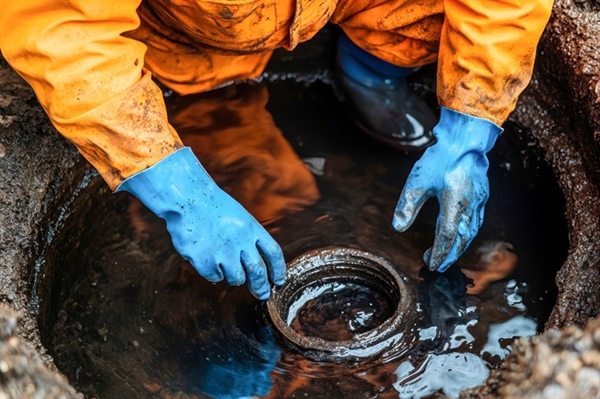
Understanding the true cost of sewer repairs goes far beyond the initial price tag shown on an estimate. Homeowners and property managers often focus on the upfront number, but the real financial impact of sewer line work is shaped by everything that happens around the repair itself: site disruption, restoration, project duration, future maintenance demands, and even how the work affects the property’s long-term value. In many cases, what seems like a lower-cost repair option at the start can generate significant secondary expenses once excavation damage, extended downtime, and recurring service needs are fully accounted for. Advanced Trenchless Solutions frequently emphasizes that the total cost of sewer repair is best understood as a complete project lifecycle expense rather than a single invoice.
This article explores the hidden factors that drive sewer repair costs, including the restoration burdens of traditional excavation, how property damage increases long-term expenses, why modern trenchless methods often reduce downtime, and how trenchless approaches can deliver lasting maintenance savings. We will also examine how the choice of repair method can influence property value over time. Readers looking for practical guidance on sewer line repair will gain a clearer picture of why repair decisions should be based on total cost outcomes, not only the initial bid.
Hidden Restoration Costs Associated With Traditional Excavation
Traditional sewer excavation often carries substantial restoration costs that are not always reflected in the initial repair quote. When a sewer line is accessed through open trench digging, the repair process frequently requires removing landscaping, breaking concrete driveways, disturbing sidewalks, or excavating under patios and decks. These disruptions create additional work beyond pipe replacement itself, because the surrounding property must be restored to its prior condition. Restoration expenses can include soil replacement, regrading, reseeding lawns, rebuilding hardscapes, and repairing structural features affected by digging.
Another overlooked cost is the complexity of excavation logistics. Excavation requires heavy machinery, larger work zones, and often more labor hours compared with trenchless alternatives. The excavation footprint may also extend beyond the immediate pipe location due to access requirements, increasing the area of disturbance. These factors contribute to longer project timelines and higher associated costs for cleanup, debris disposal, and site reconstruction.
By contrast, trenchless methods such as pipe bursting can minimize surface disruption because they replace sewer lines through small access points rather than full trench removal. This is one reason many property owners researching sewer line repair evaluate trenchless solutions as a way to avoid the often underestimated restoration costs that accompany excavation-based repairs.
How Property Damage Increases Long-Term Repair Expenses
Property damage is one of the most significant drivers of long-term sewer repair expense. Excavation can damage root systems of mature trees, irrigation lines, fencing, retaining walls, and underground utilities. Repairing or replacing these elements adds cost that extends beyond plumbing work. Even when restoration is performed, replacement landscaping or rebuilt surfaces may take years to return to their original condition, which represents both financial and functional loss.
Structural damage is another concern. Excavation near foundations, basements, or slabs can destabilize soil, potentially contributing to settlement or cracking over time. While such impacts may not appear immediately, they can create future repair needs unrelated to the sewer line itself. This type of secondary damage can dramatically increase the true cost of repair when evaluated over the life of the property.
Minimizing property disturbance is therefore not only a matter of convenience but also a key factor in cost containment. Trenchless sewer repair and replacement techniques are designed to reduce excavation-related damage, helping property owners avoid the cascading expenses that often follow traditional digging approaches.
Why Trenchless Repairs Often Reduce Total Project Downtime
Project downtime is a critical but frequently overlooked cost factor in sewer repair. Traditional excavation typically requires longer work durations because of the scale of digging, the need for larger crews, and the multiple stages involved: excavation, pipe replacement, backfilling, compaction, and surface restoration. For residential properties, this can mean extended periods of limited access to driveways, yards, or plumbing systems. For commercial properties, downtime can translate into operational disruption, lost revenue, or tenant inconvenience.
Trenchless repair methods often shorten project timelines because they require less surface removal and fewer restoration steps. Pipe bursting, for example, replaces an existing sewer line by fracturing the old pipe outward while simultaneously pulling in a new one, typically through small entry and exit pits. This approach reduces labor-intensive digging and accelerates completion compared with open trench replacement.
In many cases, reduced downtime becomes one of the most financially meaningful benefits of trenchless work, particularly for properties where access, occupancy, or business continuity is a priority. Understanding downtime costs is essential for evaluating the real economic impact of repair decisions.
Long-Term Maintenance Savings With Trenchless Solutions
Long-term maintenance costs are another major component of the true cost of sewer repair. Traditional repairs sometimes address only the damaged segment of pipe, leaving older or compromised sections in place. Over time, remaining aging materials such as clay or cast iron may continue to crack, shift, or accumulate root intrusion, leading to repeated service calls and additional repair expenses.
Trenchless replacement methods often provide a full-length pipe solution with modern materials that are resistant to corrosion, joint separation, and root intrusion. High-density polyethylene (HDPE) and other trenchless-installed pipes are engineered for durability and long service life. This can reduce the frequency of future blockages, leaks, and maintenance interventions.
Over the lifespan of the system, reduced maintenance needs can translate into significant cost savings. For property owners evaluating sewer repair options, lifecycle performance is often as important as immediate installation cost, particularly when considering long-term reliability.
How Repair Method Choice Impacts Property Value
The method used for sewer repair can influence property value both directly and indirectly. Properties that undergo major excavation may experience lasting aesthetic impacts if restoration is imperfect or if landscaping maturity is lost. Buyers often place value on intact outdoor features such as established trees, decorative hardscaping, and well-maintained driveways. Disruption or visible repair scars can reduce curb appeal and perceived property quality.
Documentation of modern trenchless replacement may also serve as a positive asset in real estate transactions. A newly installed sewer line using durable trenchless materials can reassure buyers that a major infrastructure component has been upgraded with minimal disturbance. This can reduce buyer concerns about future plumbing liabilities.
In Wisconsin Rapids, WI, where property maintenance and long-term infrastructure integrity matter for both residential and commercial owners, repair method selection becomes part of a broader investment decision. The economic impact extends beyond repair invoices into long-term property valuation considerations.
How Advanced Trenchless Solutions Can Help With Sewer Repair Decisions
Choosing the right sewer repair approach requires understanding the full cost picture, including restoration burdens, property protection, downtime reduction, maintenance performance, and long-term property value impacts. Advanced Trenchless Solutions provides trenchless sewer replacement and pipe bursting services designed to reduce disruption while delivering durable infrastructure upgrades. Their expertise helps property owners evaluate repair options based on total lifecycle cost rather than only the initial estimate.
If you are facing sewer line concerns and want guidance on the most cost-effective repair method, reach out to Advanced Trenchless Solutions at 844.513.4106 or visit them at 1138 6th Street South, Wisconsin Rapids, WI 54494. To learn more or schedule an evaluation, please contact us today.