Is Trenchless Sewer Repair Covered by Homeowners Insurance?
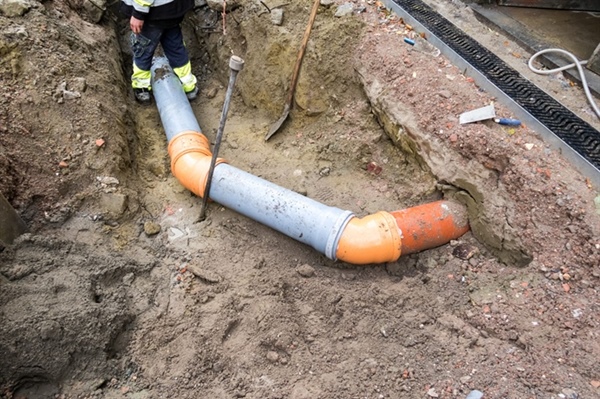
Homeowners often assume that any sewer line problem affecting their property will automatically be covered under a standard insurance policy. In reality, sewer line coverage depends on what caused the damage, where the pipe is located, and whether the issue developed suddenly or over time. Problems such as accidental pipe collapse, damage caused by heavy equipment, or sewer backups tied to covered events are sometimes included under homeowners insurance policies. Long-term deterioration, corrosion, invasive tree roots, and deferred maintenance are commonly excluded. As trenchless technology becomes more common across Wisconsin, more property owners are asking how insurance carriers evaluate modern repair methods such as pipe lining and pipe bursting.
Advanced Trenchless Solutions works with homeowners throughout Central Wisconsin who need accurate information about sewer line failures, insurance claims, and repair options. Understanding how insurers evaluate underground pipe damage can help homeowners avoid delays, reduce disputes, and document issues properly before repairs begin. The sections below explain what sewer damage is commonly covered, whether insurance companies approve trenchless sewer repair methods, how claims are typically filed, what policy exclusions homeowners should review carefully, and whether additional sewer line protection plans are available through endorsements or service line policies.
What Types of Sewer Damage Are Typically Covered by Insurance?
Most homeowners insurance policies only cover sewer line damage when the cause is considered sudden and accidental. Coverage commonly applies when pipes are damaged by a covered peril such as fire, lightning, vehicle impact, vandalism, or a sudden collapse. Some policies also provide limited protection for water damage caused by sewer backups when the homeowner has added a water backup endorsement. Insurance carriers generally distinguish between abrupt failures and damage that develops gradually over many years.
Coverage often depends on the location of the damaged pipe and the language contained in underground utility or service line endorsements. Many standard homeowners policies do not automatically include exterior sewer laterals running between the home and the municipal connection. Because sewer lines are buried underground, insurers frequently require video inspection reports, plumbing diagnostics, excavation findings, or camera footage to confirm the cause of the failure before approving a claim. Advanced Trenchless Solutions uses camera inspections to identify cracked pipes, root intrusion, offsets, bellies, and pipe deterioration with minimal disruption to the property.
Insurance companies commonly approve repairs when documentation shows that the sewer line failure occurred unexpectedly rather than from deferred maintenance. Sudden pipe separation, accidental crushing, or abrupt sewer backups tied to a covered event are more likely to qualify than gradual corrosion or aging infrastructure. In many situations, homeowners choose trenchless sewer repair methods because they reduce excavation across landscaping, driveways, patios, and sidewalks while restoring the structural integrity of underground piping.
Does Insurance Cover Pipe Lining or Pipe Bursting?
Insurance companies generally focus more on the cause of sewer line damage than on the specific repair technique used to correct the problem. Pipe lining and pipe bursting are widely recognized trenchless repair methods that restore underground sewer systems without extensive excavation. If an insurer determines that the sewer damage itself qualifies under the policy, the carrier may approve trenchless repair methods when they are considered cost-effective and technically appropriate.
Cured-in-place pipe lining creates a new pipe within the existing damaged line using a resin-saturated liner that hardens inside the pipe. Pipe bursting replaces severely damaged lines by pulling a new pipe through the old one while fracturing the existing pipe outward. These methods are frequently selected because they reduce surface disruption, preserve landscaping, and shorten project timelines compared to traditional excavation. Insurance adjusters may compare repair estimates between trenchless and conventional replacement methods before determining coverage eligibility.
Homeowners should understand that policy language varies substantially between carriers. Some insurers may cover only the cost to access the damaged line, while others may reimburse full repair costs when trenchless solutions are determined to be the most reasonable option. Detailed camera inspections, contractor documentation, and repair recommendations are often critical during the claim evaluation process. In Wisconsin Rapids and surrounding Central Wisconsin communities, property owners increasingly choose trenchless solutions because underground repairs can often be completed with fewer disruptions to driveways, landscaping, and hardscaping features.
How Can Homeowners File a Claim for Sewer Line Damage?
Filing a sewer line insurance claim begins with documenting the problem as early as possible. Homeowners should photograph visible damage, record signs of backups or flooding, and maintain records showing when the issue first appeared. Insurance carriers frequently request plumbing reports, camera inspection footage, repair estimates, and written findings from licensed professionals before evaluating sewer line claims. Delays in documentation can complicate the claim review process, particularly if additional water damage develops after the original incident.
Many sewer line claims begin after homeowners notice recurring drain backups, foul odors, slow drainage, or wet spots in the yard. A sewer camera inspection is one of the most important diagnostic tools because it provides visual evidence of the pipe condition and identifies the source of the failure. Camera inspections can reveal root intrusion, pipe offsets, structural collapse, separated joints, or heavy corrosion. This evidence is often necessary for insurers to determine whether the damage resulted from a covered event or long-term deterioration.
After documentation is collected, homeowners typically submit a formal claim to their insurance provider and coordinate with an adjuster for additional review. The adjuster may request contractor estimates, engineering assessments, or further inspections before authorizing repairs. Homeowners should carefully review coverage limits, deductibles, exclusions, and endorsements related to sewer backups or underground service lines. Maintaining organized records throughout the process can help reduce disputes and improve communication between the homeowner, contractor, and insurance carrier.
What Exclusions Should Homeowners Be Aware Of?
Many sewer line insurance disputes occur because homeowners misunderstand common policy exclusions. Standard homeowners insurance policies often exclude damage caused by normal wear and tear, corrosion, age-related deterioration, rust, or gradual pipe failure. Tree root intrusion is another frequently excluded condition because insurers commonly classify root damage as a maintenance issue rather than a sudden accidental event. These exclusions are especially important for older properties with aging sewer infrastructure.
Insurance carriers may also deny claims involving neglected maintenance, repeated backups, soil settlement, poor installation practices, or pre-existing pipe defects. Sewer systems that fail due to shifting ground conditions, improper grading, or long-term blockages may fall outside standard policy coverage. Homeowners should review whether their policy includes underground utility endorsements, sewer backup protection, or service line riders because these additions can substantially affect coverage eligibility.
Another major exclusion involves flooding. Damage caused by rising groundwater or external flood events is typically excluded under standard homeowners insurance policies and may require separate flood insurance coverage. Homeowners should also understand that some policies cover only interior water damage while excluding the actual repair or replacement of the underground pipe itself. Reviewing policy documents carefully before an emergency occurs can help homeowners avoid unexpected expenses and understand what responsibilities fall on the property owner.
Are There Add-On Policies for Sewer Line Protection?
Many insurance carriers now offer optional endorsements or service line protection policies designed specifically for underground utility systems. These add-on policies may provide coverage for exterior sewer lines, underground water lines, drainage systems, electrical service lines, and utility connections located between the home and the municipal system. Service line endorsements are becoming more common because standard homeowners policies often exclude underground pipe failures unless they are tied directly to a covered peril.
Coverage limits and qualifying conditions vary substantially between providers. Some endorsements cover excavation, pipe repair, landscape restoration, and temporary water mitigation expenses, while others apply only to specific types of pipe failures. Deductibles, age restrictions, and maintenance requirements may also affect eligibility. Homeowners should review policy language carefully to understand whether the endorsement covers full replacement costs, partial repairs, diagnostic inspections, or only interior water damage resulting from sewer failures.
Advanced Trenchless Solutions provides sewer diagnostics, camera inspections, pipe lining services, and trenchless repair solutions that help homeowners understand the condition of underground sewer systems before major failures occur. Property owners evaluating sewer line protection plans often benefit from obtaining professional inspections that identify existing vulnerabilities, root intrusion, deteriorated joints, or structural weaknesses before filing future claims. Homeowners seeking additional guidance about sewer repair options and underground pipe conditions can learn more by visiting Advanced Trenchless Solutions.
Professional Trenchless Sewer Repair Services in Central Wisconsin
At Advanced Trenchless Solutions, we help homeowners understand the causes of sewer line failures, how insurance carriers evaluate underground pipe damage, and which trenchless repair methods may be appropriate for their property. Our team uses advanced camera inspections, cured-in-place pipe lining, and trenchless repair technologies to identify structural sewer problems while minimizing disruption to landscaping, driveways, and surrounding structures.
We work with property owners throughout Central Wisconsin who need accurate sewer diagnostics, detailed inspection documentation, and long-term repair solutions for aging or damaged sewer systems. Whether you are dealing with recurring backups, pipe deterioration, root intrusion, collapsed sewer lines, or questions about insurance claim documentation, our experienced technicians provide detailed evaluations designed to help homeowners make informed decisions about their underground infrastructure.
Advanced Trenchless Solutions is located at 1138 6th Street South, Wisconsin Rapids, WI 54494. Homeowners can contact our team at 844.513.4106 to schedule inspections or discuss trenchless sewer repair options. Additional information about our services, repair methods, and inspection process is available when you contact us.