How Trenchless Sewer Repair Protects Landscapes, Soil, and Local Ecosystems
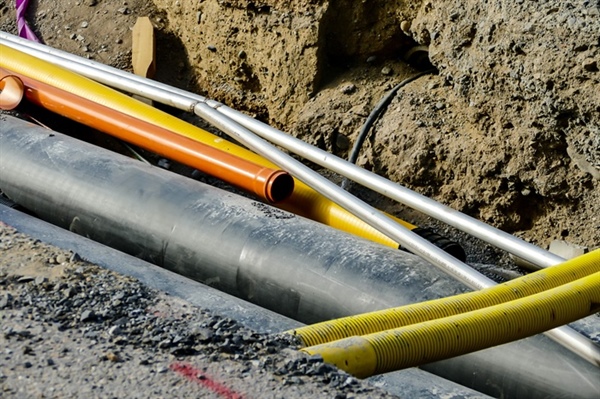
Trenchless sewer repair has changed how communities maintain underground infrastructure while protecting the natural environment above it. Instead of relying on large excavation trenches, modern pipe rehabilitation methods allow repairs to happen beneath the surface with minimal disruption. This approach matters because sewer systems often run under lawns, tree-lined streets, gardens, and sensitive ecosystems where traditional digging can permanently alter landscapes and soil structure. Advanced Trenchless Solutions highlights these methods as a way to restore pipelines while reducing surface impact, making trenchless sewer repair a practical option for environmentally conscious communities.
In this article, we’ll explore how trenchless technology helps preserve tree roots and vegetation, limits soil instability and erosion, reduces construction waste, and protects waterways from sediment and contamination. We’ll also look at the environmental benefits of trenchless sewer repair in dense urban settings where excavation can create major ecological and logistical challenges. Each of these sub-topics shows why trenchless sewer repair is increasingly recognized as an environmentally protective alternative to open-cut digging, including proven solutions like trenchless sewer repair.
How Trenchless Repairs Preserve Tree Roots and Vegetation
Tree roots and established vegetation are often among the first casualties of traditional sewer excavation. Open-cut trenching requires removing large sections of soil, which can sever root systems and destabilize mature trees. Since roots provide anchoring and nutrient absorption, cutting them can lead to long-term decline, disease, or even tree loss. This is especially significant in residential areas where landscaping represents both ecological value and property investment.
Trenchless sewer repair methods, such as cured-in-place pipe (CIPP) lining, avoid the need for continuous digging along the pipe’s entire length. Instead, repairs are performed through small access points. This means root networks remain largely intact, allowing trees and plants to continue thriving without the shock of excavation disturbance.
By keeping vegetation undisturbed, trenchless solutions also protect habitats for insects, birds, and small wildlife that depend on stable plant ecosystems. Communities looking for environmentally responsible infrastructure maintenance often turn to approaches like trenchless sewer repair because it supports pipeline renewal without stripping away established greenery.
The Impact of Excavation on Soil Stability and Erosion
Excavation can significantly disrupt soil stability. When soil layers are removed and replaced, the natural compaction and structure are altered. This often leads to settling, shifting ground, and weakened support for nearby vegetation, sidewalks, and roadways. Soil disturbance also reduces its ability to retain moisture and nutrients, which affects surrounding plant life.
Another major consequence is erosion. Exposed soil is vulnerable to wind and rain, which can wash sediment into storm drains and nearby waterways. This sediment runoff can smother aquatic habitats, reduce water quality, and increase the burden on municipal drainage systems.
Trenchless repair avoids large-scale soil displacement. Because the ground surface remains mostly intact, the soil profile stays stable and erosion risks are minimized. This makes trenchless methods a more environmentally protective option, especially in areas prone to heavy rainfall or fragile soil conditions.
Why Trenchless Methods Reduce Construction Waste
Traditional sewer replacement generates enormous amounts of construction debris. Excavation produces excess soil, broken pavement, uprooted vegetation, and damaged materials that must be hauled away to landfills. This not only increases waste volume but also adds transportation emissions and disposal costs.
Trenchless sewer repair focuses on rehabilitating existing pipelines rather than removing and replacing them. Techniques like pipe lining create a new structural pipe inside the old one, eliminating the need for large quantities of new raw materials and reducing demolition debris.
By limiting excavation and material removal, trenchless methods support waste reduction goals and align with sustainable construction practices. For municipalities and property owners, this represents a more resource-efficient approach to underground infrastructure repair.
How Trenchless Repairs Help Protect Nearby Waterways
Waterways are particularly vulnerable during excavation projects. Digging near sewer lines can release sediment, pollutants, and debris that migrate into streams, lakes, or wetlands. Even small amounts of runoff can disrupt aquatic ecosystems, harming fish spawning grounds and reducing overall water clarity.
Trenchless repair reduces the surface footprint of construction activity, which directly lowers the chance of sediment and contaminants entering nearby water sources. Since fewer trenches are opened, there is less exposed soil available to be carried away by stormwater.
Additionally, trenchless repairs restore pipeline integrity more efficiently, helping prevent leaks or sewer overflows that could contaminate groundwater or surface water. This combination of reduced disturbance and improved pipe performance makes trenchless technology a strong environmental safeguard.
Environmental Advantages of Trenchless Repair in Urban Areas
Urban environments present unique ecological challenges. Sewer lines often run beneath streets, sidewalks, parks, and densely planted community areas. Excavation in these settings can destroy green spaces, increase air pollution from heavy machinery, and disrupt city ecosystems already under pressure.
Trenchless methods offer a way to renew aging sewer systems while avoiding major disruption to urban landscapes. Minimal digging means less damage to street trees, less loss of park vegetation, and fewer disturbances to urban wildlife habitats.
For communities seeking sustainable infrastructure solutions, Advanced Trenchless Solutions in Wisconsin Rapids provides expertise in trenchless rehabilitation that supports both environmental preservation and modern pipeline performance.
How Advanced Trenchless Solutions Can Help
Protecting landscapes, soil stability, waterways, and urban ecosystems requires repair methods that minimize surface disruption. Advanced Trenchless Solutions specializes in trenchless sewer and pipeline rehabilitation that reduces excavation, preserves vegetation, and supports sustainable infrastructure maintenance.
Homeowners, businesses, and municipalities in Wisconsin Rapids and beyond can rely on proven trenchless approaches to address sewer issues while limiting environmental impact. Whether the goal is protecting tree roots, reducing waste, or safeguarding nearby waterways, trenchless repair provides an effective solution.
To speak with a team experienced in environmentally responsible sewer repair, contact Advanced Trenchless Solutions at 844-513-4106 or visit their office at 1138 6th Street South, Wisconsin Rapids, WI 54494. You can also reach out directly through their contact us page.