How Trenchless Lead Service Line Replacement Reduces Health and Property Risks
Lead service lines remain one of the most serious hidden infrastructure risks in older neighborhoods across the United States. Even when water appears clear and safe, lead can still enter drinking water through corrosion or physical disturbance of aging pipes. Because lead exposure is linked to long-term neurological, developmental, and cardiovascular harm, replacing these lines has become a major public health priority. Modern approaches such as trenchless replacement are increasingly recognized for reducing the disruption and contamination risks that can occur during traditional pipe removal, especially when dealing with a lead service line.
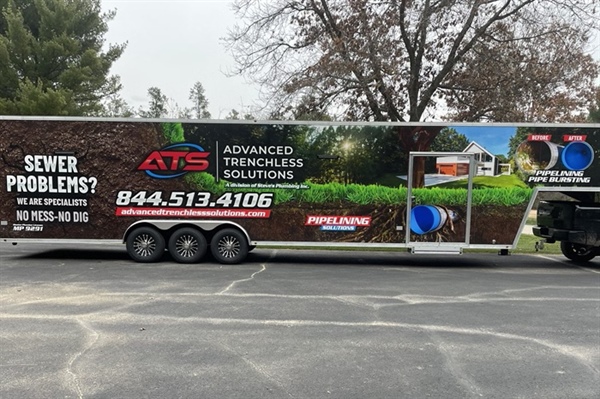
This article explores how trenchless lead service line replacement reduces both health and property risks while supporting safer infrastructure upgrades. We will examine why disturbing lead pipes can increase contamination, how trenchless methods minimize soil and water disruption, when trenchless replacement is preferred over excavation, what homeowners should understand about exposure during replacement, and how these methods help municipalities advance large-scale replacement initiatives. Advanced Trenchless Solutions works in this evolving field, where safety-focused replacement methods are becoming central to protecting communities and preserving property.
Why Disturbing Lead Pipes Increases Contamination Risks
Lead service lines often develop mineral scale layers over decades of use. These layers can sometimes act as a partial barrier between the lead pipe material and the drinking water flowing through it. When the pipe is disturbed—through excavation, cutting, vibration, or partial replacement—those protective deposits can break apart. This disruption can release lead particles directly into the water supply, increasing contamination levels even if the water previously tested within acceptable limits.
Scientific studies and municipal water system investigations have shown that physical disturbance of lead plumbing can cause short-term spikes in lead concentration. These spikes are especially concerning because particulate lead can be more harmful than dissolved lead, and standard water sampling may not always capture peak exposure events. This is why full replacement, performed with methods that limit pipe agitation, is considered safer than leaving portions of lead pipe behind.
Disturbing lead pipes also increases the risk of lead entering surrounding soil. Excavation exposes contaminated soil layers, which can spread lead dust across lawns, sidewalks, and nearby surfaces. In older residential areas, this can create an added exposure pathway, especially for children. Minimizing disruption during replacement is one of the key reasons trenchless approaches are gaining attention in modern infrastructure upgrades.
How Trenchless Methods Minimize Soil and Water Disruption
Trenchless lead service line replacement methods are designed to avoid the extensive digging associated with traditional excavation. Instead of opening a long trench across a yard or street, trenchless techniques typically require only small access points at the beginning and end of the pipe run. This reduces disturbance to soil, landscaping, pavement, and underground utilities.
By limiting excavation, trenchless replacement helps reduce the spread of contaminated soil that may surround aging lead pipes. Soil disruption is a major concern because lead can persist in the environment for decades. Keeping the surrounding ground intact lowers the chance of lead-bearing dust being redistributed onto surfaces where residents may come into contact with it.
Trenchless methods also reduce mechanical stress on the existing pipe. Less cutting, shaking, and vibration means fewer opportunities for lead particles to dislodge into the water. These advantages are why trenchless replacement is increasingly recognized as a safer approach for upgrading aging service lines while protecting both water quality and property integrity.
When Trenchless Replacement Is Preferred Over Excavation for Lead Lines
Trenchless replacement is often preferred when property preservation and reduced disruption are priorities. Traditional excavation can require removing sidewalks, driveways, landscaping, and sometimes even portions of roadways. In contrast, trenchless approaches allow replacement beneath these surfaces with minimal restoration work afterward, which is especially valuable in dense neighborhoods or areas with mature landscaping.
Municipal and engineering guidance frequently supports trenchless methods in situations where underground congestion is high. Many older neighborhoods contain a complex network of utilities—gas, sewer, telecommunications, and electrical lines—making open excavation more risky. Trenchless replacement reduces the likelihood of damaging nearby infrastructure while still achieving complete removal of lead-containing service lines.
Another key factor is public health risk management. Because excavation can increase the disturbance of lead scale and contaminated soil, trenchless methods are often chosen when minimizing exposure pathways is critical. Full lead service line replacement using low-disruption techniques aligns with best practices for reducing short-term contamination spikes during construction.
What Homeowners Should Know About Lead Exposure During Replacement
Homeowners should understand that lead exposure risks can temporarily increase during replacement work, regardless of the method used. When pipes are removed or disturbed, particulate lead can enter household plumbing. For this reason, public health agencies commonly recommend flushing taps, using certified water filters, and following contractor guidance immediately after replacement.
It is also important for homeowners to recognize that partial replacement—where only a segment of lead pipe is removed—can sometimes worsen contamination. Studies have documented that leaving lead pipe sections connected to new copper or plastic segments can create galvanic corrosion, accelerating lead release. Full replacement is widely considered the most protective approach for long-term risk reduction.
Homeowners should also be aware of environmental exposure routes beyond drinking water. Excavation-based replacement can disturb contaminated soil, while trenchless approaches generally limit this disruption. Asking contractors about containment practices, soil handling, and post-replacement water testing can help households reduce exposure during the transition period.
How Trenchless Methods Support Municipal Lead Replacement Initiatives
Municipalities across the United States are under increasing regulatory and public pressure to remove lead service lines from their distribution systems. Large-scale replacement initiatives require methods that are efficient, scalable, and minimally disruptive to residents. Trenchless technologies help meet these goals by reducing the need for road closures, extensive digging, and prolonged construction timelines.
Trenchless replacement also supports equity-focused public health strategies. Many lead service lines are located in older communities where repeated excavation would cause significant neighborhood disruption. Low-impact replacement methods allow cities to replace more lines in less time while reducing the secondary burdens of construction, such as property damage and environmental contamination.
Advanced Trenchless Solutions, based in Wisconsin Rapids, works with modern trenchless approaches that align with these evolving municipal priorities. Communities seeking safer infrastructure upgrades can learn more through Advanced Trenchless Solutions, where trenchless expertise is applied to lead service line replacement projects.
Contact Advanced Trenchless Solutions for Lead Service Line Replacement Expertise
Replacing lead service lines is one of the most effective ways to reduce long-term health risks and protect residential property. Advanced Trenchless Solutions provides specialized trenchless replacement services that minimize disruption while addressing contamination concerns tied to aging lead infrastructure.
Whether the focus is reducing contamination spikes during pipe disturbance, preserving landscaping and pavement, or supporting large municipal replacement programs, Advanced Trenchless Solutions offers modern solutions grounded in proven trenchless methods. Their team works with homeowners, contractors, and municipalities to complete full lead service line replacements safely and efficiently.
To speak with their team, contact Advanced Trenchless Solutions at 844-513-4106 or visit them at 1138 6th Street South, Wisconsin Rapids, WI 54494. To reach out directly, visit their contact us page for more information.