How to know if your property is a good for trenchless pipe replacement
 ```html
 Many property owners assume that sewer replacement automatically means torn-up landscaping, broken concrete, and weeks of disruption. Modern trenchless technology has changed that process dramatically. In many cases, underground sewer and water lines can now be repaired or replaced with limited excavation by using pipe lining or pipe bursting methods. Still, trenchless methods are not suitable for every property or every damaged pipe. The condition of the existing line, the age of the home, the surrounding soil, and the material used in the original pipe all play a role in determining whether trenchless solutions are possible. Advanced Trenchless Solutions works with residential and commercial properties throughout Central Wisconsin to evaluate these conditions using detailed inspections and modern diagnostic equipment.
Understanding whether a property qualifies for trenchless pipe replacement starts with understanding the underground environment beneath the property. Factors such as structural pipe integrity, access points, root intrusion, soil movement, and pipe diameter can all affect the outcome of a trenchless installation. Older homes may still qualify even when their sewer systems contain aging materials like clay or cast iron. Camera inspections are often the deciding factor because they allow technicians to identify offsets, collapses, corrosion, and blockages before any repair method is selected. The following sections explain the major conditions that determine trenchless eligibility and why these evaluations matter before work begins.
What Conditions Must Exist for Trenchless Repair to Work Successfully?
Trenchless sewer repair depends on the condition and accessibility of the existing pipe system. One of the most important requirements is that the original pipeline must still maintain enough structural continuity for trenchless equipment to move through it. Pipe lining systems rely on inserting a resin-saturated liner into the damaged sewer line, which then cures in place to form a new pipe within the old one. If the line has completely collapsed, separated extensively, or contains severe offsets between pipe sections, trenchless lining may not be feasible without limited excavation to restore continuity first.
Another important condition involves access points. Technicians typically need entry locations that allow inspection cameras, cleaning equipment, and trenchless installation tools to reach the damaged area. Existing cleanouts often simplify this process, although access pits can sometimes be created with minimal disruption. Proper pipe diameter and sufficient flow capacity also matter because trenchless systems must be carefully sized to preserve hydraulic performance. A detailed cleaning process usually takes place before installation to remove grease buildup, roots, corrosion deposits, and debris that could interfere with the liner adhesion or pipe bursting equipment.
Ground conditions and utility conflicts also affect trenchless viability. Pipelines buried beneath mature landscaping, driveways, sidewalks, or structures are often excellent candidates because trenchless methods reduce surface disruption. However, severe ground shifting, unstable bedding, or extensive pipe deformation may require additional stabilization before repairs begin. In Wisconsin Rapids and surrounding Central Wisconsin communities, freeze-thaw cycles and soil movement can contribute to sewer line stress over time, making detailed inspections critical before selecting a repair strategy. Many homeowners researching trenchless pipe replacement are surprised to learn that trenchless methods can often address root intrusion, cracks, corrosion, and moderate pipe separation without large-scale excavation.
Can Older Homes Qualify for Trenchless Sewer Repair?
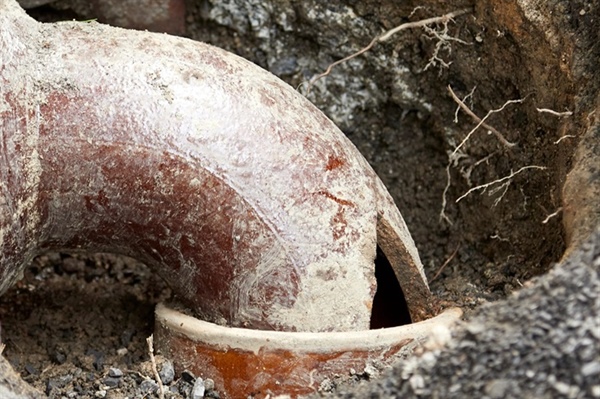
Older homes frequently qualify for trenchless sewer repair, even when their underground systems were installed decades ago. Many historic properties contain clay tile, Orangeburg, cast iron, or aging concrete sewer lines that eventually develop cracks, corrosion, root intrusion, and joint separation. These conditions are common candidates for trenchless rehabilitation because pipe lining systems are specifically designed to reinforce deteriorated pipes internally without requiring complete excavation of the property.
Eligibility depends less on the age of the home and more on the current condition of the sewer line itself. A century-old property may still qualify if the pipeline maintains a continuous path that allows inspection and installation equipment to pass through. Conversely, a newer property with a severely collapsed line may require partial excavation before trenchless work can begin. Camera inspections help determine whether the line retains enough structural integrity for lining or whether pipe bursting would provide a better long-term solution.
Older neighborhoods often present additional advantages for trenchless technology because mature landscaping, established hardscapes, retaining walls, and older foundations can make traditional excavation especially disruptive. Trenchless methods reduce damage to lawns, trees, sidewalks, and driveways while shortening project timelines. In many cases, aging sewer systems can be restored with modern cured-in-place pipe technology that creates a seamless interior barrier resistant to corrosion and root intrusion. Homes throughout Central Wisconsin regularly face these aging infrastructure challenges, particularly in areas where sewer systems have experienced decades of seasonal ground movement and freeze-thaw expansion.
How Does Pipe Material Affect Trenchless Eligibility?
The original pipe material plays a major role in determining which trenchless method can be used and how successful the installation may be over the long term. Different pipe materials deteriorate in different ways. Clay tile pipes commonly develop root intrusion at joints, cast iron pipes often corrode internally, and Orangeburg pipes can deform or blister after decades underground. Understanding how these materials behave allows technicians to determine whether pipe lining, pipe bursting, or partial replacement will provide the most reliable result.
Clay and cast iron pipes are often strong candidates for cured-in-place pipe lining because the existing pipe typically maintains enough shape to support the liner installation process. Even when these materials contain cracks, scaling, or moderate deterioration, trenchless lining can create a smooth, continuous interior pipe that restores flow capacity and structural performance. PVC and ABS pipes may also qualify if damage is localized and the alignment remains stable. Pipe bursting can sometimes replace severely damaged lines entirely by fracturing the old pipe outward while simultaneously pulling a new pipe into place.
Some materials create additional challenges. Orangeburg pipe, which was manufactured from layers of wood pulp and pitch, can lose structural integrity over time and may deform significantly under soil pressure. Severely collapsed or flattened Orangeburg lines may not support standard lining methods. Likewise, pipes with extensive missing sections or major alignment shifts may require spot repairs before trenchless rehabilitation can proceed. Advanced camera inspections remain essential because visible symptoms above ground rarely provide enough information to determine whether the existing material can support trenchless restoration methods safely and effectively.
How Does Soil Type Impact Trenchless Installation Success?
Soil conditions have a direct effect on both the long-term performance of underground utilities and the success of trenchless installation methods. Expansive clay soils, loose sandy soils, rocky terrain, and areas with high groundwater all create different stress conditions around buried pipes. In regions with frequent freeze-thaw cycles, soil movement can gradually shift pipelines, create joint separation, and place additional pressure on aging sewer systems. These conditions are especially important in trenchless planning because installation equipment and liner systems must operate within the existing underground environment.
Stable soils generally provide favorable conditions for trenchless pipe lining because the surrounding earth continues supporting the host pipe while the liner cures in place. Pipe bursting operations may require additional evaluation in densely compacted soils or areas containing large rocks because the bursting head must fracture the existing pipe outward while simultaneously pulling the new pipe through the ground. Highly saturated soils or locations with elevated groundwater can also influence curing times, excavation safety, and access planning.
Soil movement history is another major consideration during eligibility evaluations. Properties that experience recurring settling, foundation shifting, or heavy root intrusion may require additional engineering review before trenchless work begins. Soil composition can also influence pipe depth stability and long-term drainage patterns around the pipeline. Technicians performing trenchless evaluations often combine camera inspection findings with knowledge of local soil behavior to determine whether the underground conditions support a durable repair. This approach helps reduce the risk of future pipe displacement or structural failure after installation.
What Role Does a Camera Inspection Play in Determining Eligibility?
Camera inspections are one of the most important steps in determining whether a property qualifies for trenchless sewer repair or replacement. Modern sewer cameras allow technicians to evaluate the internal condition of underground pipes in real time without excavation. During the inspection process, a specialized waterproof camera travels through the sewer line while transmitting high-resolution video footage that reveals cracks, corrosion, root intrusion, offsets, blockages, standing water, and collapsed sections.
This inspection data allows technicians to determine whether the existing pipe can support trenchless rehabilitation methods. Pipe lining projects require enough structural continuity for the liner to travel through the damaged area and cure properly. Pipe bursting projects require adequate alignment and surrounding soil conditions for the replacement process to proceed safely. Without a camera inspection, selecting a repair method would involve substantial guesswork that could increase costs and create unnecessary excavation later in the project.
Camera inspections also provide critical measurements that influence material selection, equipment sizing, and project planning. Technicians can identify changes in pipe diameter, locate connection points, measure the distance to defects, and determine whether foreign obstructions are present. Advanced Trenchless Solutions emphasizes detailed camera inspections throughout Wisconsin Rapids and surrounding communities because accurate diagnostics help property owners understand the true condition of their sewer systems before repairs begin. Homeowners who contact Advanced Trenchless Solutions often learn that camera inspections not only determine trenchless eligibility but also help prevent unnecessary excavation by identifying the exact location and severity of underground damage.
Get Expert Guidance for Trenchless Sewer Repair Eligibility
At Advanced Trenchless Solutions, we help homeowners and commercial property owners determine whether trenchless technology is the right fit for their sewer or water line issues. Our team uses advanced camera inspections, modern diagnostic equipment, and decades of plumbing experience to evaluate pipe conditions, soil environments, pipe materials, and underground accessibility before recommending a repair method. Whether your property contains aging clay pipes, cast iron sewer lines, root intrusion, or deteriorating underground infrastructure, we work to identify the most effective long-term solution with minimal disruption to your property.
We proudly provide trenchless sewer lining, pipe bursting, water line installation, and no-dig repair services throughout Central Wisconsin. Our experienced technicians understand the challenges that older homes, shifting soils, and aging sewer systems can create in Wisconsin communities. We focus on accurate inspections, transparent recommendations, and efficient trenchless installations designed to reduce excavation and preserve landscaping whenever possible.
If you want to learn whether your property qualifies for trenchless sewer repair, contact Advanced Trenchless Solutions at 844.513.4106 or visit us at 1138 6th Street South, Wisconsin Rapids, WI 54494. You can also contact us online to schedule a detailed camera inspection and consultation with our trenchless specialists.