How Long Do Trenchless Sewer Repairs Last and What Maintenance Do They Need?
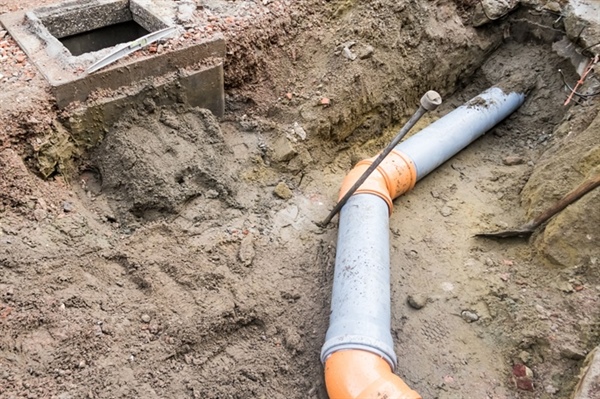
Trenchless sewer repair methods have changed the way underground pipe damage is corrected, offering long-term solutions without the disruption of full excavation. Homeowners and property managers often ask how long these repairs truly last, and what kind of care is needed afterward. The durability of trenchless technologies depends on the repair method used, the condition of the original pipeline, and the maintenance practices followed after installation. Modern trenchless systems such as cured-in-place pipe lining and pipe bursting are engineered to provide decades of reliable performance when installed correctly.
In this guide, Advanced Trenchless Solutions explains what research and industry experience show about the lifespan of trenchless sewer repairs and what property owners should expect over time. We will explore the longevity of cured-in-place liners, the strength of replacement pipes installed through trenchless sewer repairs, the maintenance habits that protect repaired systems, warranty coverage options, and how often inspections should be scheduled after a trenchless repair is completed.
Expected Lifespan of Cured-in-Place Pipe Liners
Cured-in-place pipe (CIPP) liners are widely recognized for their long service life. Industry studies and municipal performance records commonly place their expected lifespan at 50 years or more. The liner forms a seamless pipe-within-a-pipe structure that resists corrosion, root intrusion, and joint failure, which are common causes of sewer deterioration in older systems.
The durability of CIPP liners comes from their material design. Most liners are made from resin-saturated felt or fiberglass that hardens into a rigid structural layer. Once cured, the liner restores hydraulic capacity and provides structural reinforcement that can meet or exceed the strength of many traditional replacement materials.
Long-term performance depends on proper installation, curing conditions, and the host pipe’s stability. When installed under appropriate standards, cured-in-place liners are considered one of the most reliable trenchless rehabilitation methods available for aging sewer infrastructure.
Durability of Pipes Installed Through Pipe Bursting
Pipe bursting is a trenchless replacement method that installs an entirely new pipe while fracturing the old one outward. The new pipe is typically high-density polyethylene (HDPE), a material known for exceptional toughness, flexibility, and resistance to chemical corrosion. HDPE replacement pipes installed through pipe bursting are generally rated for a service life of 50 to 100 years.
The strength of pipe bursting repairs is tied to the fact that the old pipe is fully replaced rather than rehabilitated. The new pipeline has no joints that can separate over time, which reduces the risk of leaks and infiltration. HDPE also tolerates shifting soil conditions better than brittle clay or cast iron systems.
Property owners seeking long-term replacement often choose pipe bursting because it combines minimal excavation with the installation of a modern, highly durable pipeline. Many trenchless sewer repairs performed through pipe bursting provide performance comparable to full open-cut replacement, with far less surface disruption.
Maintenance Practices That Extend the Life of Trenchless Repairs
Even though trenchless sewer repairs are engineered for long-term durability, good maintenance habits can significantly extend their service life. Routine practices such as avoiding grease disposal, preventing flushing of non-degradable materials, and managing tree root growth near sewer lines all help protect repaired pipes from unnecessary stress.
Hydro jetting and professional drain cleaning may be recommended periodically, especially for properties with heavy sewer usage or older lateral connections. While cured-in-place liners and HDPE replacement pipes resist corrosion, blockages caused by debris accumulation can still occur in any sewer system.
Another key practice is maintaining proper water flow and monitoring warning signs such as slow drains or recurring backups. Trenchless systems reduce structural failures, but proactive care ensures the repaired pipeline continues functioning efficiently for decades.
Warranties Available for Trenchless Sewer Work
Warranties are commonly available for trenchless sewer repair projects, though coverage terms depend on the contractor, repair method, and project scope. Many professional trenchless installations include workmanship warranties, while manufacturers of liner materials and HDPE piping may provide product warranties covering defects or premature failure.
Typical warranty periods can range from 10 years to 50 years, with some municipal-grade installations supported by extended guarantees. Warranty coverage often requires that repairs are installed according to industry standards and that the sewer line is properly maintained after rehabilitation.
Property owners should request clear documentation of warranty terms, including what is covered, what exclusions apply, and whether inspection records are needed to keep coverage valid.
Recommended Sewer Inspection Frequency After Trenchless Repair
Post-repair sewer inspections are an important part of protecting trenchless investments. Many experts recommend a camera inspection within the first year after installation to confirm the repair remains structurally sound and free of obstructions. After that, inspections every 2 to 5 years are often sufficient for most residential properties.
More frequent inspections may be appropriate for commercial properties, older plumbing networks, or sewer systems exposed to heavy root intrusion risk. Inspections help identify early signs of buildup, connection issues, or external stresses before they develop into costly problems.
Regular monitoring ensures that trenchless sewer repairs continue delivering their full expected lifespan, providing confidence that the underground system remains secure and efficient long after installation.
How Advanced Trenchless Solutions Can Help
Advanced Trenchless Solutions provides expert trenchless sewer repair services designed for long-lasting performance, including cured-in-place lining, pipe bursting, and advanced inspection technology. With proven methods that minimize excavation while delivering durable results, their team helps property owners protect sewer systems for decades.
If you have questions about repair lifespan, maintenance planning, warranty coverage, or inspection schedules, Advanced Trenchless Solutions can provide professional guidance tailored to your pipeline’s condition. Their Wisconsin Rapids-based specialists are equipped with modern trenchless tools to restore sewer reliability with minimal disruption.
To schedule a consultation, call Advanced Trenchless Solutions at 844.513.4106 or visit their office at 1138 6th Street South, Wisconsin Rapids, WI 54494. You can also reach their team directly through their contact us page.