How Long Do Trenchless Sewer and Water Line Repairs Actually Last?
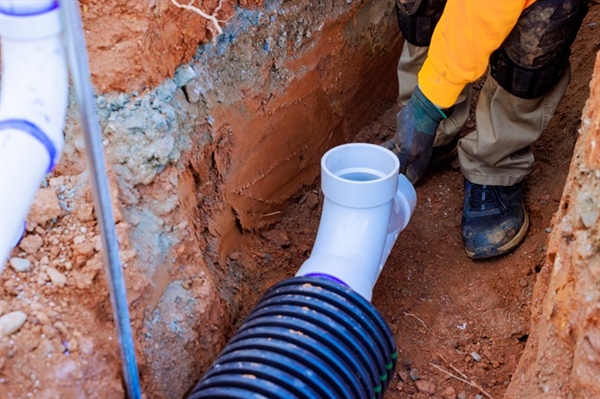
Homeowners and property managers often want a clear answer when asking how long trenchless sewer and water line repairs actually last. The reality is that modern trenchless systems are designed for decades of service life when the correct repair method, pipe material, installation process, and maintenance plan are used. Advances in cured-in-place pipe technology, epoxy resins, HDPE pipe systems, and precision camera inspections have significantly improved the durability of trenchless solutions compared to older spot repairs or aging pipe materials such as clay, Orangeburg, cast iron, and deteriorating galvanized lines. In many cases, trenchless rehabilitation methods can provide a service life that rivals or exceeds traditional excavation-based replacement methods while avoiding extensive disruption to landscaping, driveways, foundations, and hardscapes.
Advanced Trenchless Solutions works with trenchless sewer and water line systems throughout Central Wisconsin, where freeze-thaw cycles, soil movement, groundwater exposure, and root intrusion can place major stress on underground infrastructure. Understanding how materials, installation quality, environmental conditions, warranties, and ongoing maintenance affect long-term performance helps property owners make informed decisions before investing in sewer rehabilitation or replacement work. The following sections explain what materials are commonly used in trenchless systems, how trenchless methods compare to traditional excavation, what factors affect longevity, how warranties relate to expected lifespan, and why ongoing maintenance still plays a major role even after a successful pipe lining project is completed.
What Materials Are Used in Trenchless Pipe Lining and Bursting?
Modern trenchless sewer rehabilitation relies on highly engineered materials designed to withstand corrosion, root intrusion, shifting soils, groundwater exposure, and continuous wastewater flow for decades. In cured-in-place pipe lining applications, contractors commonly install a flexible liner saturated with epoxy or resin compounds inside an existing damaged pipe. Once inflated and cured, the liner hardens into a seamless structural pipe within the original host pipe. Many trenchless lining systems use felt liners, fiberglass-reinforced liners, polyester materials, or composite textile systems combined with epoxy, vinyl ester, or silicate resins. These materials are selected because they resist corrosion and create smooth interior surfaces that improve flow efficiency while reducing future buildup.
Pipe bursting projects typically rely on high-density polyethylene, commonly called HDPE pipe. HDPE has become one of the most widely used materials in underground utility replacement because of its flexibility, resistance to cracking, and fused joint system. Unlike older segmented pipe materials that contain numerous connection points vulnerable to leaks or root intrusion, fused HDPE creates a continuous pipe system with very few weak points. This makes it highly effective for sewer mains, water service lines, and long-distance utility installations where ground movement and freeze-thaw conditions are concerns. The flexibility of HDPE also allows it to tolerate soil shifting better than rigid pipe materials commonly used in older systems.
Material selection also depends on pipe diameter, pipe condition, soil chemistry, groundwater levels, and the intended lifespan of the rehabilitation project. Trenchless contractors frequently use CCTV inspections to evaluate whether a line is structurally suitable for rehabilitation or whether complete replacement through bursting is necessary. In many situations, pipe lining provides a structural solution that seals cracks, offsets, and minor deterioration without requiring excavation across the property. Epoxy-based liners are particularly valued because they resist corrosion from wastewater gases and chemical exposure that often contribute to deterioration in cast iron and concrete sewer systems.
Water line rehabilitation may also involve copper, HDPE, PEX, or specialized pressure-rated pipe materials depending on local code requirements and the operating conditions of the system. Pressure-rated trenchless water line systems must withstand continuous internal pressure loads in addition to external soil loads. The long-term success of these systems depends heavily on material compatibility, installation quality, curing accuracy, and proper preparation of the host pipe before installation begins.
How Does the Lifespan of Trenchless Repairs Compare to Traditional Pipe Replacement?
One of the most common misconceptions surrounding trenchless technology is that it provides only a temporary repair. In reality, many modern trenchless systems are engineered with expected service lives of 50 years or longer when installed correctly. Independent testing organizations, municipal infrastructure studies, and engineering evaluations have demonstrated that properly cured epoxy liners and HDPE replacement systems can perform at levels comparable to newly installed conventional pipe systems. The lifespan largely depends on installation standards, environmental conditions, and the quality of the original assessment before repairs begin.
Traditional excavation-based replacement can still provide long-lasting performance, particularly when high-quality materials are installed under favorable site conditions. However, excavation projects often involve significantly greater disruption to landscaping, sidewalks, streets, foundations, retaining walls, irrigation systems, and mature trees. Trenchless methods reduce surface disruption while still addressing structural pipe failures. In many sewer rehabilitation projects, trenchless technology restores structural integrity without requiring full removal of the original utility line. This allows contractors to rehabilitate aging infrastructure while preserving much of the surrounding property.
Modern trenchless rehabilitation systems are often evaluated against the same engineering standards used for conventional replacement materials. Epoxy cured-in-place liners can restore structural integrity to deteriorated pipes while creating corrosion-resistant internal surfaces that improve hydraulic flow. HDPE replacement systems installed through bursting methods are highly resistant to joint separation, root intrusion, and groundwater infiltration. In some environments, these materials may outperform older replacement materials historically used in open trench construction.
Environmental conditions still matter regardless of installation method. Aggressive soil chemistry, poor bedding conditions, extreme freeze-thaw cycles, shifting soils, improper slope, and high groundwater conditions can affect both trenchless and traditional systems over time. This is why professional inspections, accurate diagnosis, and careful installation planning remain critical. Property owners evaluating long-term performance often compare not only lifespan, but also the overall impact of excavation, restoration costs, downtime, and future maintenance requirements. In many residential and commercial settings, water line repairs completed through trenchless methods can deliver decades of performance while minimizing property disruption.
What Factors Affect the Durability of Trenchless Sewer and Water Line Repairs?
The durability of a trenchless repair depends on far more than the liner or replacement pipe alone. One of the largest factors is the condition of the host pipe before rehabilitation begins. Severe collapses, improper grading, major offsets, or extensive structural deformation may reduce the effectiveness of certain trenchless methods if those conditions are not corrected first. Accurate video inspections and cleaning procedures are critical because liners installed over heavy debris, active roots, grease buildup, or unstable sections may not bond properly to the existing pipe walls.
Installation quality also has a major influence on long-term performance. Proper curing temperatures, resin saturation, calibration tube inflation, pipe preparation, and reinstatement of service connections all contribute to the structural integrity of the final system. Inadequate curing can weaken liner performance and reduce expected service life. During pipe bursting projects, improper pulling forces or incorrect equipment selection can place unnecessary stress on the new pipe system. Experienced trenchless contractors rely on detailed inspections and controlled installation procedures to maintain long-term durability standards.
External environmental conditions continue to affect underground infrastructure even after repairs are completed. Soil movement caused by seasonal freeze-thaw cycles, heavy traffic loads, poor drainage, erosion, or nearby construction activity can place stress on underground lines. Tree root activity remains another significant factor in sewer system performance, especially in older residential neighborhoods with mature landscaping. While seamless trenchless liners and fused HDPE systems are highly resistant to root intrusion, surrounding infrastructure conditions still influence the overall lifespan of the system.
Maintenance habits within the property also affect durability. Improper disposal of grease, wipes, hygiene products, paper towels, and chemical cleaners can create recurring flow problems that place unnecessary stress on sewer infrastructure. Water pressure fluctuations, corrosion from aggressive water chemistry, and mineral buildup may also affect water service lines over time. Even though trenchless systems are engineered for long service life, long-term performance still depends on how the system is used and maintained after installation.
Do Trenchless Sewer Repair Warranties Reflect the Actual Lifespan of the Pipe?
Many property owners assume that a warranty period directly represents the full lifespan of a trenchless sewer or water line system. In practice, warranties are often shorter than the projected engineering lifespan of the installed materials. A trenchless liner or HDPE pipe system may be engineered for 50 years or longer, while the written workmanship warranty may cover only a portion of that timeframe. This does not necessarily indicate reduced durability. Warranty periods are influenced by legal standards, contractor coverage policies, installation variables, environmental factors, and the scope of the completed work.
Manufacturers of trenchless lining systems frequently conduct long-term testing under controlled conditions to estimate material longevity. Engineering evaluations of epoxy cured-in-place pipe systems and HDPE pipe materials have demonstrated long-term structural performance under continuous operational stress. However, real-world underground conditions vary substantially between properties. Soil movement, installation conditions, water chemistry, root intrusion pressure, and misuse of plumbing systems can all affect actual field performance. Contractors therefore structure warranties around workmanship and specific installation conditions rather than guaranteeing identical lifespan outcomes for every property.
Property owners should also understand the difference between manufacturer warranties and contractor workmanship warranties. Manufacturer coverage may apply to defects in materials themselves, while contractor warranties generally address installation-related issues. Reading warranty terms carefully helps clarify what is covered, what maintenance requirements apply, and what exclusions exist. For example, damage caused by external excavation, improper use of the sewer system, shifting foundations, or severe root intrusion outside the repaired section may not fall under warranty coverage.
In Wisconsin Rapids and surrounding Central Wisconsin communities, environmental stressors such as frost movement and changing soil moisture conditions make proper installation especially important. A carefully installed trenchless repair system supported by accurate diagnostics and routine inspection practices will generally provide a much longer operational life than the minimum warranty period alone may suggest.
How Does Maintenance Extend the Life of Trenchless Sewer and Water Line Systems?
Although trenchless systems are engineered for durability, regular maintenance remains one of the most effective ways to protect long-term pipe performance. Sewer systems naturally accumulate debris over time, particularly in kitchens, commercial food preparation areas, and older plumbing systems with heavy usage. Grease buildup, sediment accumulation, mineral scaling, and improper flushing habits can reduce flow efficiency and increase stress within the system. Preventive maintenance helps identify developing problems before they become structural failures.
Routine camera inspections are especially valuable because they allow contractors to monitor the condition of rehabilitated lines without excavation. High-resolution inspection equipment can identify early signs of buildup, flow restriction, root pressure near access points, or changing conditions within connected pipe sections. Hydro jetting and professional cleaning services may also help maintain optimal flow conditions when used appropriately. Aggressive or improper cleaning methods, however, can damage some aging pipe systems, which is why maintenance should be tailored to the specific material and condition of the line.
Water line systems also benefit from monitoring pressure fluctuations, leak indicators, and water quality changes that may signal developing issues. Freezing conditions, corrosion, and shifting soils can affect underground utilities gradually over time. Early detection often prevents more extensive repairs later. Many property owners underestimate the role that proper drainage, root management, and responsible plumbing usage play in extending infrastructure lifespan.
Advanced Trenchless Solutions encourages property owners to view trenchless rehabilitation as part of a long-term infrastructure strategy rather than a one-time repair event. Regular inspections, accurate diagnostics, and responsible system usage help maximize the expected lifespan of trenchless sewer and water line systems. Property owners seeking additional guidance about long-term trenchless performance, maintenance planning, or rehabilitation options can learn more through Advanced Trenchless Solutions.
Trusted Trenchless Sewer and Water Line Solutions in Central Wisconsin
At Advanced Trenchless Solutions, we help homeowners and commercial property owners throughout Central Wisconsin understand the long-term performance of trenchless sewer and water line systems before major problems develop. Our team uses advanced camera inspections, trenchless pipe lining, pipe bursting, and water line replacement methods designed to restore underground infrastructure while minimizing disruption to landscaping, driveways, foundations, and surrounding property features. We focus on accurate diagnostics and long-term repair strategies that address structural pipe problems while helping clients make informed decisions about maintenance, rehabilitation, and replacement options.
We work with aging sewer systems, deteriorating water service lines, root intrusion issues, corrosion damage, and underground infrastructure failures throughout Wisconsin Rapids and nearby communities. Our trenchless repair services are designed to provide durable long-term solutions using modern materials such as epoxy lining systems and HDPE replacement pipe technologies. Whether a property owner needs guidance about pipe lifespan, repair durability, maintenance planning, or complete trenchless rehabilitation, our team provides detailed inspections and clear recommendations based on actual pipe conditions.
To learn more about trenchless sewer repair, pipe lining, water line replacement, or long-term maintenance strategies, contact Advanced Trenchless Solutions today. Call 844.513.4106 or visit us at 1138 6th Street South, Wisconsin Rapids, WI 54494. You can also contact us online to schedule an inspection or consultation.