How Does Trenchless Technology Handle Complex or Hard-to-Reach Pipe Systems?
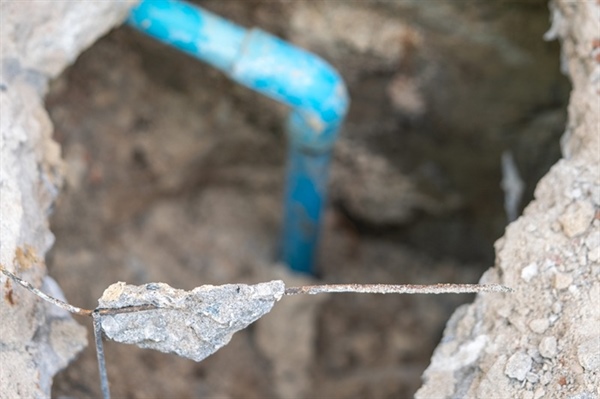
Modern underground infrastructure rarely follows a straight or easily accessible path. Sewer systems, storm drains, and utility pipelines often run beneath buildings, parking lots, landscaped areas, roadways, and other structures where excavation would create major disruption. This is one reason property owners, municipalities, and contractors continue turning to trenchless technology when addressing aging or damaged pipelines. These methods are designed to rehabilitate or replace underground pipe systems while limiting surface disturbance and maintaining access to the surrounding property.
Complex pipe systems also introduce engineering challenges that go far beyond basic excavation. Pipe bends, junctions, depth changes, shifting soil conditions, and limited access points all require advanced inspection tools, precision-guided installation equipment, and durable rehabilitation materials. Advanced Trenchless Solutions has extensive experience working with difficult underground environments where conventional repair methods may create unnecessary property damage or extended downtime. The sections below examine how trenchless systems navigate bends and junctions, repair pipes beneath structures, maintain installation accuracy, and use specialized equipment to complete difficult underground repairs.
As underground infrastructure continues to age across Wisconsin Rapids, WI and surrounding communities, trenchless repair methods have become increasingly important for maintaining long-term pipeline reliability. Modern rehabilitation systems are engineered to restore structural integrity while reducing excavation-related disruption, preserving landscaping, and minimizing operational interruptions for residential and commercial properties alike.
How Trenchless Methods Navigate Bends and Junctions in Complex Pipe Systems
Many underground sewer and utility systems include multiple bends, directional changes, service connections, and pipe junctions that make traditional replacement difficult. Conventional excavation often requires extensive digging to expose each transition point along the pipeline, especially when utilities pass beneath landscaping, driveways, or structures. Trenchless repair systems approach this challenge differently by using flexible rehabilitation materials and advanced camera-guided inspection methods that allow technicians to work within the existing pipe path rather than excavating the entire route.
Cured-in-place pipe lining, commonly known as CIPP lining, is one of the most effective trenchless approaches for handling curved or irregular pipe configurations. During this process, a resin-saturated liner is inserted into the damaged host pipe and expanded against the interior walls. Once cured, the liner forms a continuous structural pipe within the existing system. Because the liner material remains flexible during installation, it can conform to moderate bends and directional changes without requiring large excavation areas. This allows rehabilitation work to continue through sections that would otherwise require disruptive digging.
Pipeline inspection technology also plays a major role in navigating difficult pipe geometries. High-resolution sewer cameras and robotic crawlers allow technicians to map bends, offsets, intrusions, and junction locations before repairs begin. These inspection systems help determine whether a line is suitable for pipe lining, pipe bursting, or directional boring. In many cases, municipalities and property owners evaluating trenchless technology are specifically seeking methods capable of restoring aging infrastructure without disturbing surrounding surfaces or interrupting nearby operations.
Pipe bursting systems can also manage directional changes under the right conditions. During pipe bursting, a bursting head fractures the existing pipe outward while simultaneously pulling a new pipe into place. Engineers carefully evaluate pipe alignment, material composition, and bend severity before determining whether bursting is appropriate. Moderate directional changes are often manageable with specialized pulling equipment and flexible replacement materials such as high-density polyethylene HDPE pipe.
Service reinstatement is another important factor when trenchless systems encounter pipe junctions. After a liner cures inside the existing pipe, robotic cutting equipment is used to reopen lateral connections leading to homes or adjacent systems. Precision robotic cutters restore these junctions while preserving the structural integrity of the rehabilitated pipe. This process allows trenchless rehabilitation to maintain full system connectivity even in densely interconnected underground networks.
Repairing Pipes Beneath Buildings and Driveways With Trenchless Sewer Solutions
Pipes located beneath foundations, garages, driveways, sidewalks, and commercial buildings have traditionally created some of the most difficult sewer repair situations. Excavation in these areas often requires demolition of concrete slabs, pavement removal, structural disruption, and extensive restoration work after repairs are completed. Trenchless rehabilitation methods reduce these disruptions by accessing damaged lines through small entry points rather than exposing the entire pipe path.
Pipe lining systems are commonly used when repairing pipelines beneath structures because the existing pipe remains in place during rehabilitation. After the line is cleaned and inspected, the liner is inserted through a limited access opening and cured inside the host pipe. Since there is no need to remove large amounts of soil or demolish structural surfaces, pipe lining minimizes the risk of foundation disturbance and reduces restoration costs associated with traditional excavation.
Directional boring and pipe bursting technologies are also used beneath driveways and buildings when full replacement is required. Horizontal directional drilling systems create a guided underground bore path that allows new pipe installation beneath obstacles without open trench excavation. Pipe bursting similarly allows replacement pipes to be pulled through the existing line while minimizing surface disruption. These techniques are especially valuable in urban environments where utilities, pavement, and structures leave little room for conventional digging operations.
One of the major advantages of trenchless rehabilitation is reduced project downtime. Excavation beneath buildings or driveways can leave properties inaccessible for extended periods while demolition and restoration are completed. Trenchless systems shorten timelines because they require fewer restoration stages and less surface reconstruction. For commercial properties, this reduction in disruption can help maintain operations while repairs are underway.
Structural protection is another important consideration. Excavation near foundations may destabilize surrounding soil or create settlement concerns if not managed carefully. Trenchless repair methods significantly reduce soil disturbance because only limited access pits are required. Advanced Trenchless Solutions frequently works with property owners seeking repair approaches that preserve landscaping, hardscaping, and structural integrity while restoring underground sewer systems.
Technologies Used for Deep or Buried Pipeline Rehabilitation
Deep sewer systems and heavily buried utility lines require specialized rehabilitation technologies capable of operating in challenging underground conditions. Traditional excavation becomes increasingly expensive and disruptive as pipe depth increases because larger trenches, shoring systems, and extensive surface restoration are often required. Trenchless repair methods reduce these complications by allowing technicians to access and rehabilitate pipelines without exposing their entire depth.
Closed-circuit television inspection systems are among the most important technologies used in deep pipeline rehabilitation. Remote-controlled sewer cameras travel through buried pipe systems and provide detailed visual assessments of cracks, root intrusion, offsets, corrosion, and structural failures. These inspections allow engineers to determine appropriate rehabilitation methods while minimizing unnecessary excavation. Camera systems also help map pipe elevations, junctions, and access limitations before installation work begins.
Hydro jetting equipment is frequently used before rehabilitation work on deep pipelines. High-pressure water cleaning removes debris, grease buildup, roots, and sediment that could interfere with pipe lining or replacement operations. Thorough cleaning is critical because trenchless liners and replacement systems depend on a properly prepared host pipe to achieve long-term structural performance.
Horizontal directional drilling systems are widely used when installing or replacing pipelines beneath roads, waterways, rail corridors, and developed properties. These drilling systems use guided steering heads and tracking equipment to maintain accurate underground alignment during installation. Directional drilling is particularly valuable for deep utility crossings where excavation would create major infrastructure disruption or safety concerns.
Advanced curing systems are also essential for deep trenchless rehabilitation. Many cured-in-place pipe installations rely on hot water, steam, or ultraviolet curing technologies to harden resin liners after placement. These curing systems are carefully monitored to maintain proper structural performance throughout the rehabilitated pipe section. The resulting liner creates a corrosion-resistant, jointless pipe structure capable of long-term underground service.
Maintaining Precision During Trenchless Pipe Installation
Precision is one of the most critical aspects of trenchless sewer repair and underground utility installation. Even minor alignment errors can interfere with utility connections, reduce flow efficiency, or create long-term structural problems within the system. Trenchless projects rely on advanced planning, digital inspection data, and guided installation systems to maintain proper alignment throughout the rehabilitation or replacement process.
Pre-installation inspections establish the foundation for accurate trenchless work. Technicians use robotic camera systems and locating equipment to identify pipe depth, alignment, diameter transitions, junction locations, and structural defects before repairs begin. This information allows crews to select appropriate liner materials, bursting heads, or drilling equipment while minimizing unexpected complications during installation.
Laser-guided and electronically tracked drilling systems are commonly used during directional boring operations. These systems continuously monitor the drill head position and underground trajectory throughout installation. Operators can make real-time steering adjustments to maintain the planned bore path while avoiding existing utilities or structural obstacles. Accurate guidance becomes especially important when installing pipe beneath buildings, roads, or environmentally sensitive areas.
Material selection also contributes to installation precision. Modern trenchless rehabilitation materials are engineered to maintain dimensional stability, resist corrosion, and withstand underground pressure conditions after curing or installation. Pipe lining systems create a tightly fitted structural liner within the host pipe, while HDPE replacement pipe used in bursting operations provides flexibility combined with long-term durability.
Quality control procedures continue after installation is complete. Post-installation camera inspections verify alignment, confirm successful reinstatement of service connections, and evaluate the structural condition of the rehabilitated system. These inspections help confirm that the installation meets engineering requirements and maintains full operational performance throughout the repaired section.
The Role of Specialized Equipment in Difficult Trenchless Repairs
Specialized equipment is the foundation of modern trenchless sewer rehabilitation. Difficult underground environments often include collapsed sections, heavy root intrusion, corroded materials, shifting soil, limited access areas, and aging utility networks. Standard excavation equipment alone cannot efficiently address many of these challenges without creating extensive surface disruption. Trenchless systems instead rely on highly specialized machinery engineered for underground rehabilitation work.
Inspection equipment provides the first stage of nearly every trenchless repair project. Robotic sewer cameras and locating systems allow technicians to evaluate underground conditions before selecting a repair strategy. These tools provide critical information regarding pipe condition, obstruction severity, depth changes, and alignment issues. Accurate inspection data reduces uncertainty and improves planning for difficult repairs.
Hydro jetting systems play a major role in pipe preparation by removing roots, grease, sediment, and hardened debris from existing pipelines. Effective cleaning is essential because liners and replacement systems require stable interior conditions for proper installation. Heavy-duty jetting equipment can restore flow capacity while preparing damaged pipes for rehabilitation.
Pipe bursting equipment is specifically designed for replacing severely damaged pipelines while minimizing excavation. Hydraulic bursting systems generate the force necessary to fracture aging clay, cast iron, or brittle pipe materials while simultaneously pulling new pipe into place. This approach allows complete pipe replacemen without opening continuous trenches across the property.
Advanced curing systems are equally important during trenchless lining installations. Steam curing, hot water curing, and ultraviolet curing technologies allow resin-saturated liners to harden into structurally sound pipe systems underground. Precise temperature and pressure control during curing directly affects liner integrity, structural strength, and long-term durability.
For property owners evaluating underground infrastructure rehabilitation, equipment capabilities often determine whether difficult repairs can be completed efficiently and safely. Advanced Trenchless Solutions utilizes trenchless rehabilitation equipment designed to address challenging underground conditions while reducing excavation, preserving property surfaces, and improving long-term pipeline performance.
How Advanced Trenchless Solutions Can Help
At Advanced Trenchless Solutions, we understand how difficult complex underground pipe systems can become when access is limited, structures sit above aging utilities, or pipe layouts contain multiple bends and junctions. Our team specializes in trenchless sewer rehabilitation methods designed to restore underground infrastructure while minimizing disruption to homes, businesses, landscaping, and surrounding property features.
We provide trenchless sewer repair, pipe lining, pipe bursting, directional boring, sewer inspections, and underground rehabilitation services for residential, commercial, and municipal systems throughout Wisconsin Rapids and surrounding areas. Using advanced inspection technology, robotic camera systems, hydro jetting equipment, and precision-guided installation methods, we help property owners address difficult underground conditions without the large-scale excavation associated with traditional repair approaches.
Whether you need to repair pipelines beneath a building, restore aging sewer systems with minimal property disruption, or evaluate complex underground infrastructure challenges, our team can help identify the most effective rehabilitation solution for your property. Advanced Trenchless Solutions is located at 1138 6th Street South, Wisconsin Rapids, WI 54494, and you can reach our team directly at 844-513-4106 to discuss your project needs.
To learn more about trenchless sewer repair, pipe rehabilitation, or underground utility solutions, please contact us today and speak with our experienced trenchless repair specialists.