How Does Trenchless Sewer Repair Protect Landscaping and Property Value?
Homeowners often discover sewer line problems at the worst possible time. A sewer failure can interrupt daily routines, create unpleasant odors, and raise concerns about expensive property damage. Traditional sewer replacement methods have historically required long trenches across lawns, gardens, sidewalks, patios, and driveways. For many property owners, the restoration work after excavation becomes just as stressful as the plumbing issue itself. Understanding how trenchless technology protects outdoor spaces while restoring underground infrastructure has become increasingly important for homeowners who want to preserve both curb appeal and long-term property value.
Modern trenchless methods allow damaged sewer lines to be repaired or rehabilitated with minimal disruption to the surface above. Property owners can often avoid widespread excavation that destroys landscaping features, irrigation systems, mature trees, decorative hardscapes, and paved surfaces. Advanced Trenchless Solutions works with homeowners throughout Central Wisconsin to address aging sewer systems using methods designed to reduce property disruption while restoring reliable pipe performance. The sections below explain why traditional excavation affects aesthetics, how trenchless methods reduce surface disruption, how root systems can be preserved, why restoration costs are lower, and how these repairs may support long-term resale value.
Many property owners researching trenchless sewer repair want to understand how these methods compare to conventional excavation from both a structural and financial perspective. The answers often involve much more than pipe replacement alone. Landscaping preservation, reduced restoration labor, protection of outdoor living areas, and maintaining a home's appearance all play a major role in the overall value of trenchless rehabilitation.
Why Traditional Excavation Damages Property Aesthetics
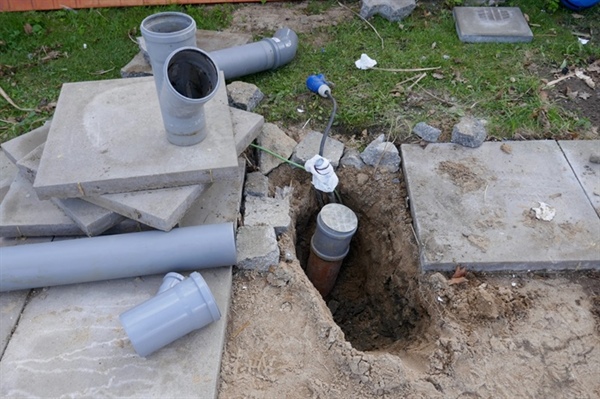
Traditional sewer excavation requires crews to dig a continuous trench from the access point to the damaged pipe section. In many residential properties, sewer lines run directly beneath lawns, decorative landscaping, retaining walls, patios, fences, sidewalks, and driveways. Excavators must remove grass, plants, soil, and hardscape materials to expose the full length of the pipe. Even after the plumbing repair is complete, the visible disruption can remain for weeks or months while the property undergoes restoration.
One of the biggest aesthetic concerns involves soil displacement and grading changes. Excavation disrupts compacted soil layers that have settled naturally over many years. After backfilling, disturbed areas may settle unevenly, creating depressions, drainage problems, or inconsistent lawn surfaces. This can affect not only the appearance of the property but also water management around the home’s foundation. Re-establishing mature landscaping often requires significant additional labor, irrigation adjustments, and replacement planting.
Driveways, walkways, decorative pavers, and outdoor living spaces are also vulnerable during excavation projects. Concrete cutting and asphalt removal may leave patchwork repairs that differ in texture or color from the original surface. Mature shrubs and established garden beds frequently cannot be relocated without damage. These disruptions are one reason many homeowners explore alternatives such as trenchless sewer repair, which can rehabilitate underground pipes while minimizing widespread surface destruction.
Properties in Wisconsin Rapids and surrounding communities often feature mature landscaping developed over decades. When extensive excavation cuts through these areas, the visual impact can alter curb appeal immediately. Established lawns, perennial beds, and tree-lined yards contribute heavily to a property’s appearance and perceived value. Preserving those features has become a major priority for many homeowners facing sewer line replacement.
How Trenchless Sewer Repair Minimizes Disruption to Yards and Driveways
Trenchless sewer technologies are designed to access damaged pipes through limited entry points instead of excavating the entire pipeline path. Pipe lining methods typically use existing cleanouts or small access pits to insert specialized materials into the existing pipe structure. Because crews do not need to expose every section of pipe manually, lawns, sidewalks, and landscaping features often remain largely intact throughout the project.
Driveways and paved surfaces benefit significantly from reduced excavation requirements. Traditional repairs frequently require saw cutting and demolition across concrete or asphalt surfaces to reach buried sewer lines. Trenchless rehabilitation often eliminates the need for extensive surface demolition, reducing the risk of visible patch repairs afterward. This is especially important for decorative concrete, stamped patios, brick pavers, and custom landscaping elements that can be difficult or expensive to restore precisely.
Reduced disruption also shortens project timelines in many situations. Large excavation projects may require multiple phases that include digging, pipe replacement, backfilling, grading, and landscaping restoration. Trenchless lining methods can often be completed more efficiently because the majority of the work occurs within the existing pipe itself. Homeowners researching sewer rehabilitation frequently compare the impact of excavation versus modern methods when considering the long-term appearance of their property and the overall scope of work associated with trenchless sewer repair.
Minimizing disturbance to yards is especially valuable for properties with irrigation systems, landscape lighting, retaining walls, outdoor kitchens, or carefully designed gardens. Excavation equipment can unintentionally damage underground utilities and outdoor infrastructure while accessing buried pipes. By limiting the excavation footprint, trenchless techniques reduce the likelihood of secondary property repairs beyond the sewer system itself.
Can Trenchless Repair Preserve Mature Trees and Root Systems?
Mature trees are among the most valuable landscape features on residential and commercial properties. Large shade trees improve curb appeal, provide environmental benefits, reduce heat exposure, and contribute significantly to overall property character. Traditional sewer excavation often cuts directly through critical root zones because sewer lines commonly run beneath landscaped areas where trees have matured over many decades.
Tree roots extend far beyond the visible canopy and rely on stable soil conditions for support and nutrient uptake. Excavation can sever structural roots that stabilize the tree and feeder roots responsible for water absorption. Damage to these systems may not appear immediately. Trees sometimes decline gradually over several seasons after major root disturbance. In severe cases, excavation-related root damage can create long-term health problems or increase the likelihood of tree failure during storms.
Trenchless rehabilitation methods help reduce these risks by minimizing soil disturbance along the pipeline route. Instead of opening a continuous trench through root zones, crews access the pipe through limited entry points while rehabilitating the pipe internally. This approach allows many mature trees and established landscaping features to remain undisturbed above ground. Preserving root systems is particularly important in older neighborhoods where landscaping maturity contributes heavily to neighborhood appeal and long-term property value.
Root intrusion is also one of the most common causes of sewer line damage in aging pipe systems. Older clay and cast iron pipes often develop cracks or joint separations that attract root growth searching for moisture. Modern cured-in-place pipe lining methods create a continuous interior liner that seals many of these openings, helping reduce future root intrusion without requiring large-scale excavation across the landscape.
How Avoiding Excavation Reduces Restoration Costs
The total cost of sewer replacement extends far beyond pipe installation alone. Traditional excavation projects often involve substantial restoration expenses after the plumbing work is completed. Homeowners may need to replace sod, shrubs, irrigation systems, fencing, retaining walls, concrete slabs, asphalt surfaces, decorative stonework, or outdoor living features damaged during trenching operations. In some cases, restoration costs can represent a major portion of the overall project budget.
Landscape restoration also requires specialized labor and materials that vary depending on property design. Re-establishing mature landscaping is rarely immediate. New sod requires watering and maintenance to root properly, while replacement plants may take years to reach their previous appearance. Decorative hardscape restoration can be especially expensive if original materials are discontinued or difficult to match. Uneven settling after backfilling may also require additional grading corrections after the initial repair.
By limiting excavation, trenchless methods reduce many of these secondary expenses. Smaller access areas generally mean less damage to lawns, driveways, sidewalks, and landscape features. Homeowners may avoid extensive reconstruction costs associated with rebuilding outdoor surfaces after traditional trenching. Reduced labor requirements for demolition and restoration can also shorten project duration and minimize disruption to daily property use.
Property owners evaluating sewer repair options often compare not only direct plumbing costs but also the broader financial impact of restoration work. Preserving outdoor structures and landscaping can significantly influence the total project investment. This is one reason trenchless rehabilitation has become increasingly common in residential areas with established landscaping, decorative outdoor features, and limited excavation access.
Does Trenchless Repair Improve Resale Value of a Home?
Homebuyers frequently evaluate both visible property condition and underlying infrastructure reliability when considering a home purchase. Sewer system problems can create serious concerns during inspections because repairs are often expensive and disruptive. A rehabilitated sewer line installed through trenchless methods may provide buyers with added confidence that the property’s underground plumbing infrastructure has already been professionally addressed.
Maintaining curb appeal also plays a major role in resale value. Properties with intact landscaping, mature trees, consistent grading, and well-maintained driveways typically present better visually during showings and inspections. Extensive excavation scars, uneven lawns, or patchwork concrete repairs may negatively affect buyer perception even after the plumbing work has been completed. Preserving outdoor aesthetics during sewer rehabilitation helps maintain the overall presentation of the property.
Modern trenchless pipe lining systems are designed to create durable interior pipe surfaces that resist corrosion, leaks, and root intrusion. Buyers may view recently rehabilitated sewer infrastructure as a long-term benefit that reduces the likelihood of near-future excavation projects. Homeowners researching long-term property preservation often consider how infrastructure improvements contribute to marketability and buyer confidence over time.
Advanced Trenchless Solutions provides trenchless sewer rehabilitation services for homeowners throughout Central Wisconsin using modern diagnostic and pipe rehabilitation technologies designed to reduce disruption while restoring underground systems. Property owners seeking long-term infrastructure protection frequently prioritize methods that preserve landscaping, protect structural features, and maintain the visual integrity of the home during major plumbing repairs.
Protect Your Property with Advanced Trenchless Solutions
At Advanced Trenchless Solutions, we understand that sewer repair affects far more than underground plumbing. Your landscaping, driveway, trees, sidewalks, and overall property appearance all matter. Our team uses advanced camera inspections and trenchless rehabilitation methods designed to restore damaged sewer systems while minimizing disruption to your home and outdoor spaces. We help homeowners throughout Central Wisconsin address sewer line problems without the extensive excavation traditionally associated with pipe replacement.
As a division of Steve’s Plumbing & Heating, our experienced team brings generations of plumbing knowledge to every project. We work with homeowners who want to preserve mature landscaping, reduce restoration costs, and protect long-term property value while repairing aging or damaged sewer systems. Whether you are dealing with root intrusion, cracked pipes, recurring backups, or deteriorating sewer lines, our trenchless solutions are designed to provide reliable rehabilitation with less surface disruption.
Advanced Trenchless Solutions proudly serves homeowners from our location at 1138 6th Street South, Wisconsin Rapids, WI 54494. To learn more about trenchless sewer rehabilitation or schedule an inspection, call 844.513.4106 or contact us today. Our team can help you protect your property’s appearance while restoring dependable sewer performance.